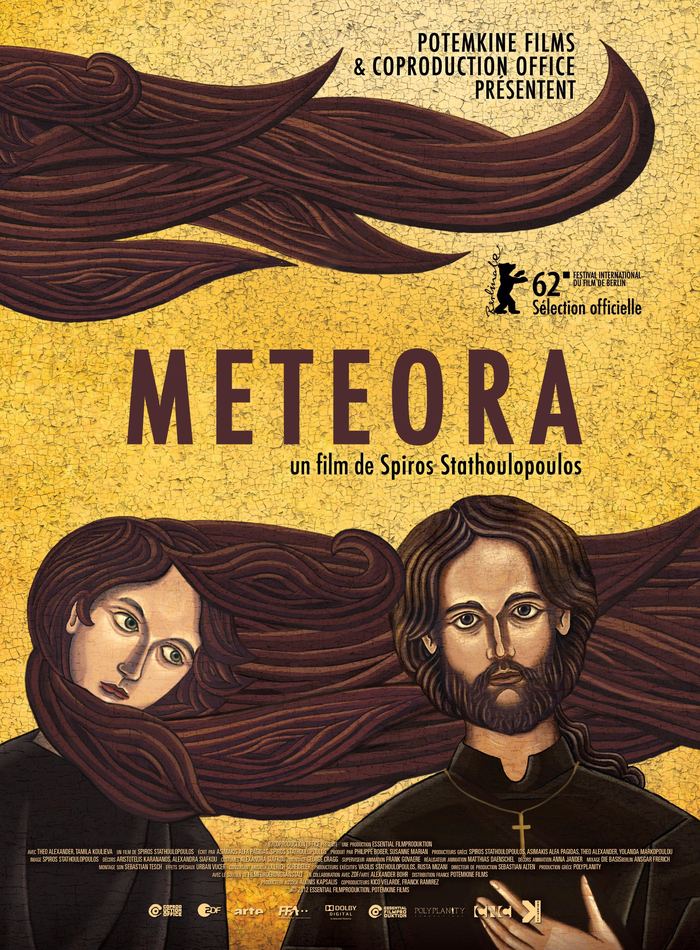
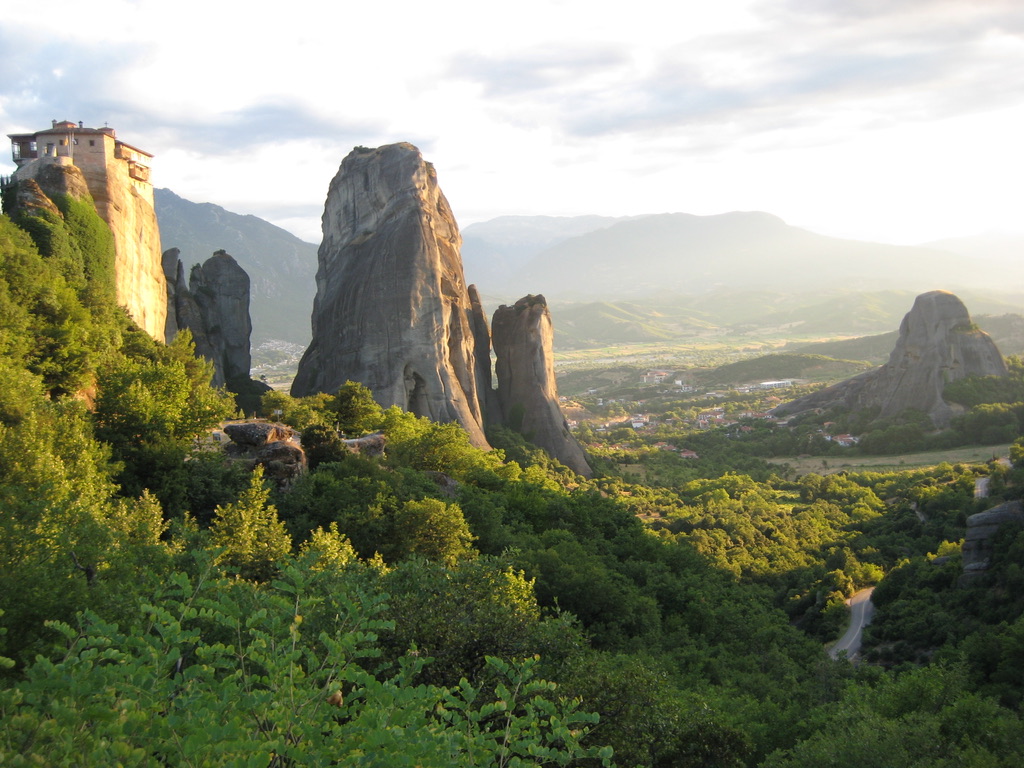
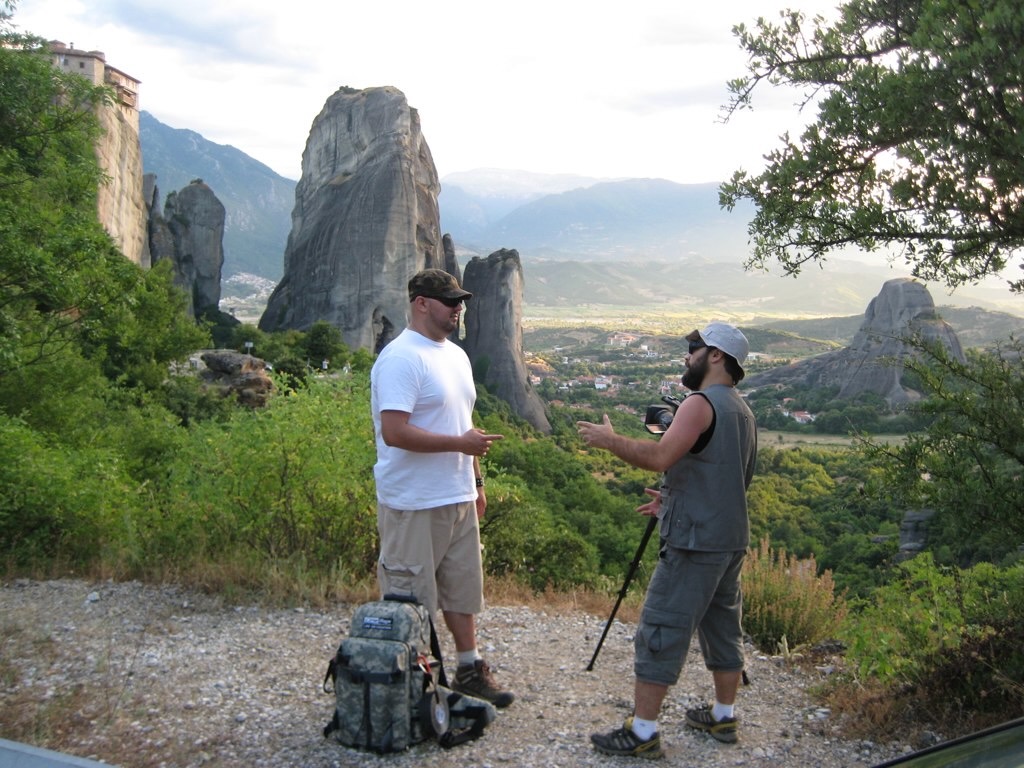
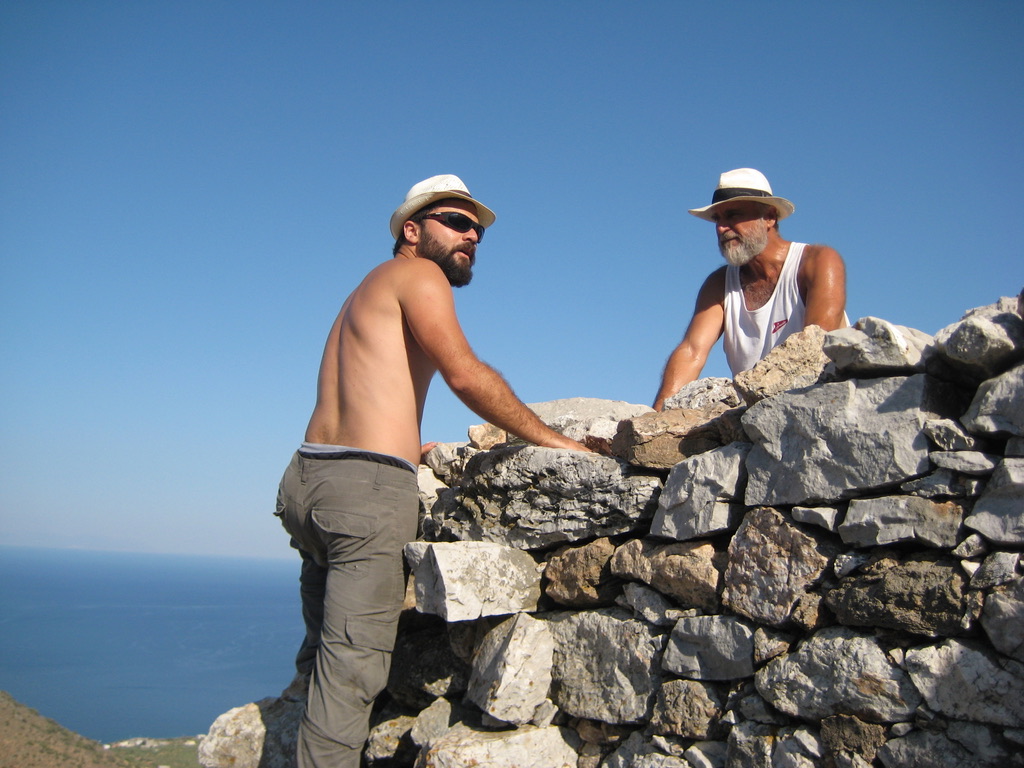
Set among the ancient Byzantine monasteries perched atop the sandstone pillars of Meteora, the film follows a young Greek Orthodox monk and a Russian Orthodox nun caught between spiritual devotion and forbidden longing. The landscape itself becomes part of that conflict. Director Spiros Stathoulopoulos described Meteora as representing the suspension of the human soul between two poles, the spiritual world above and the human world below.
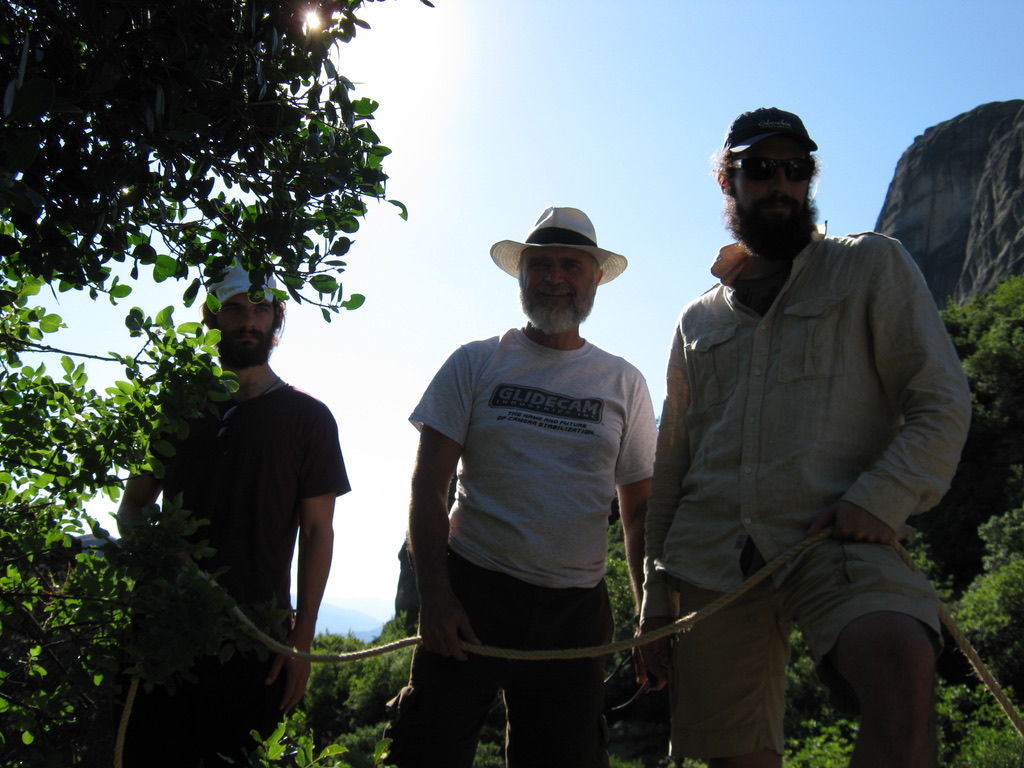
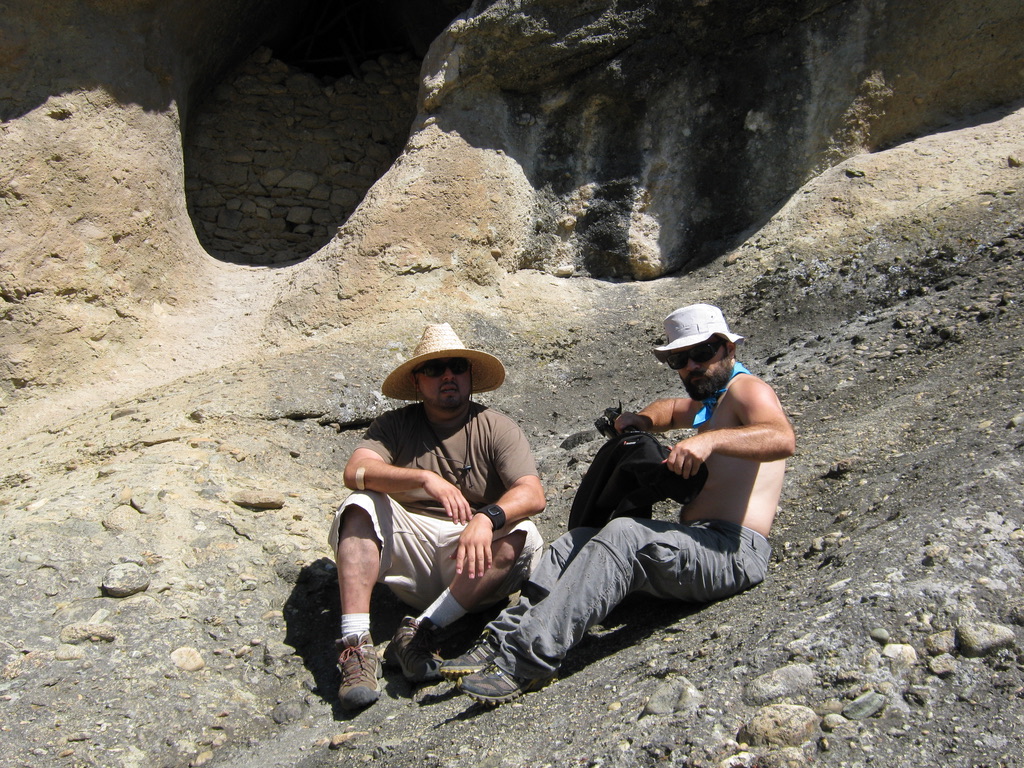
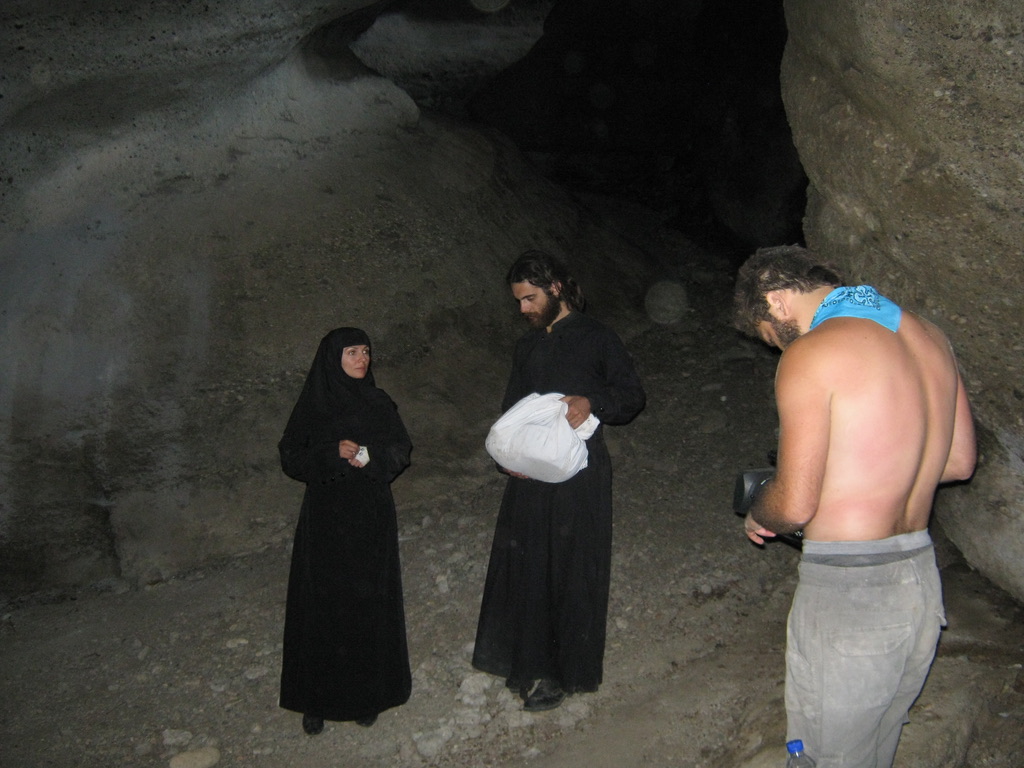
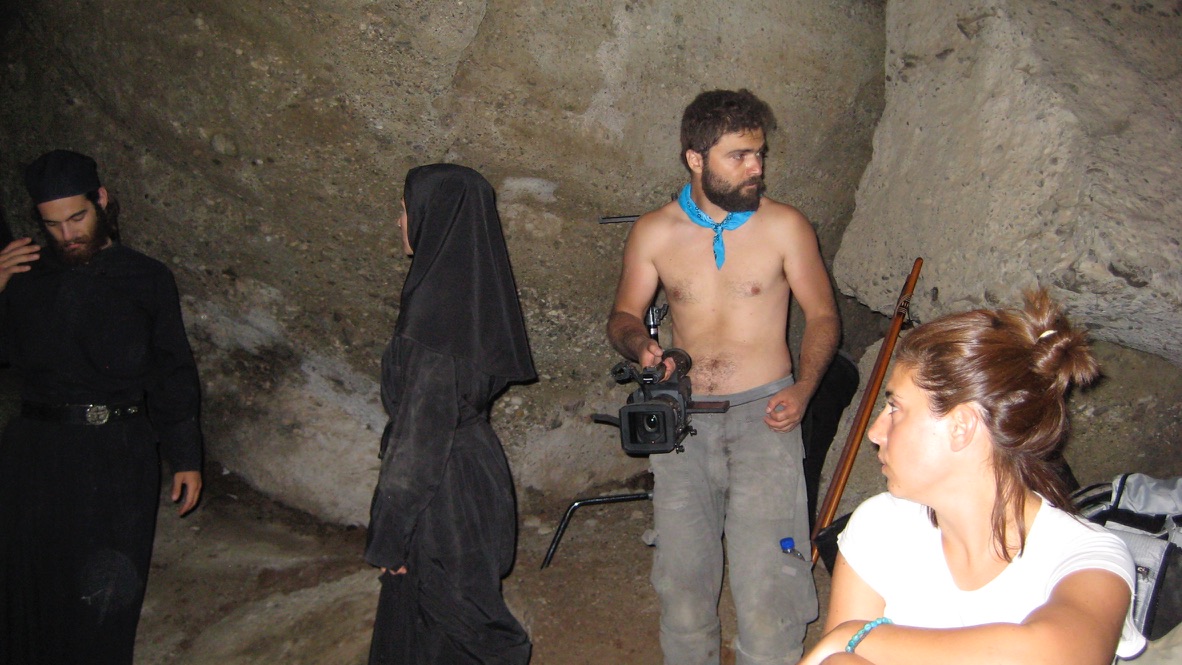
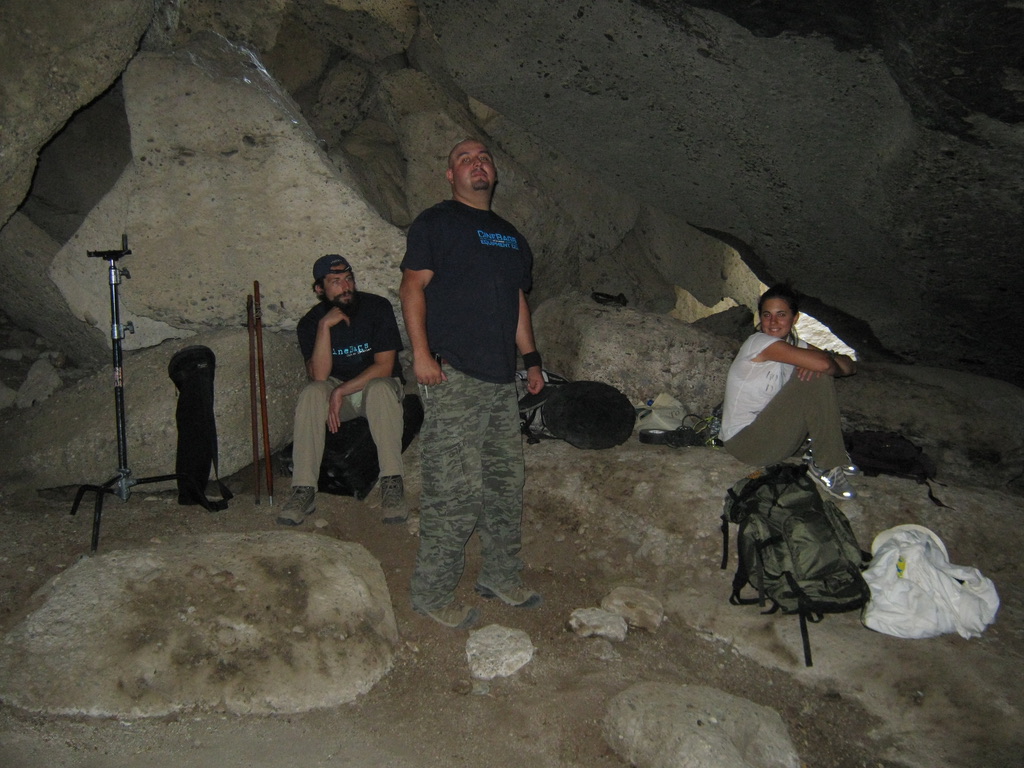
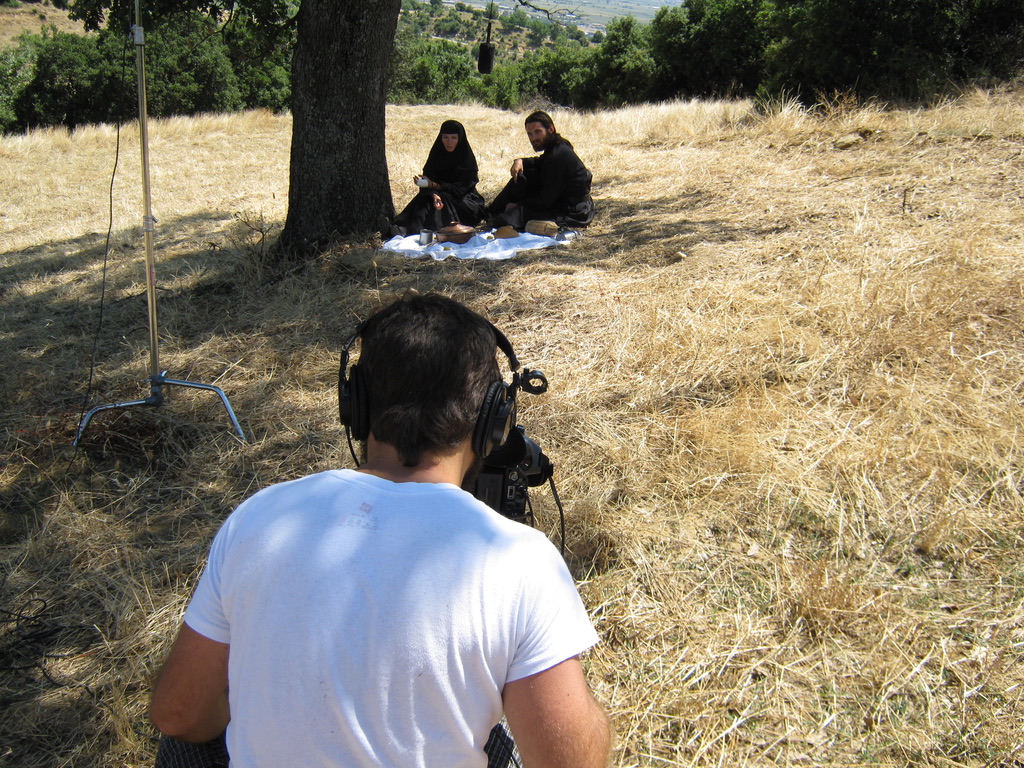
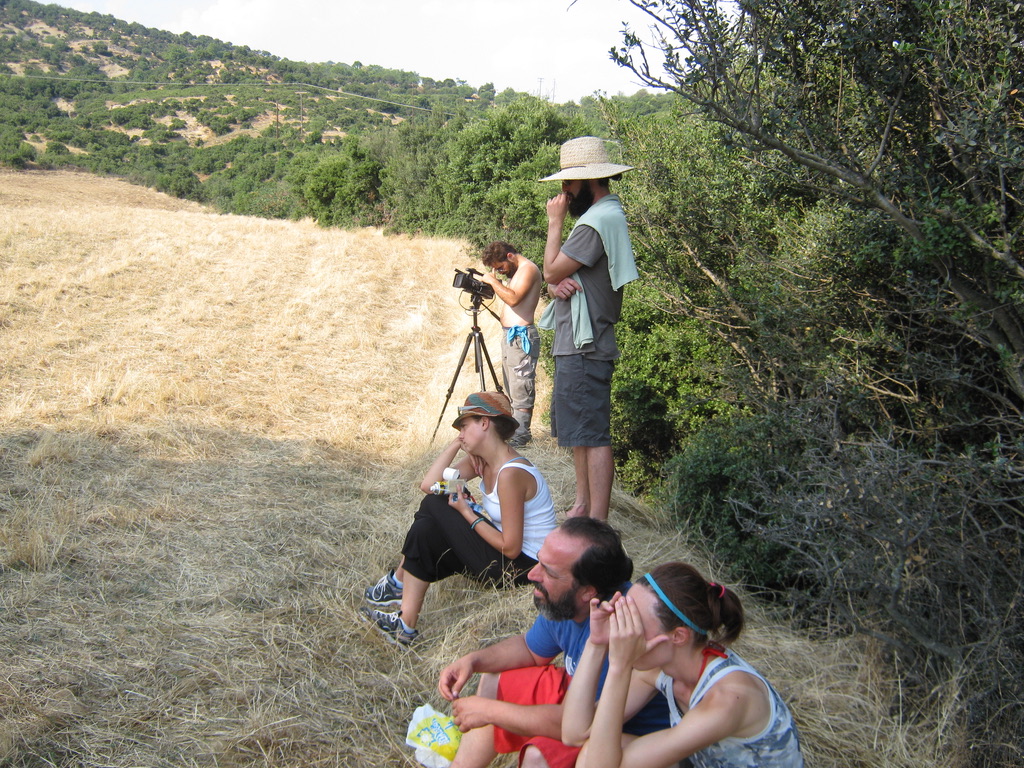
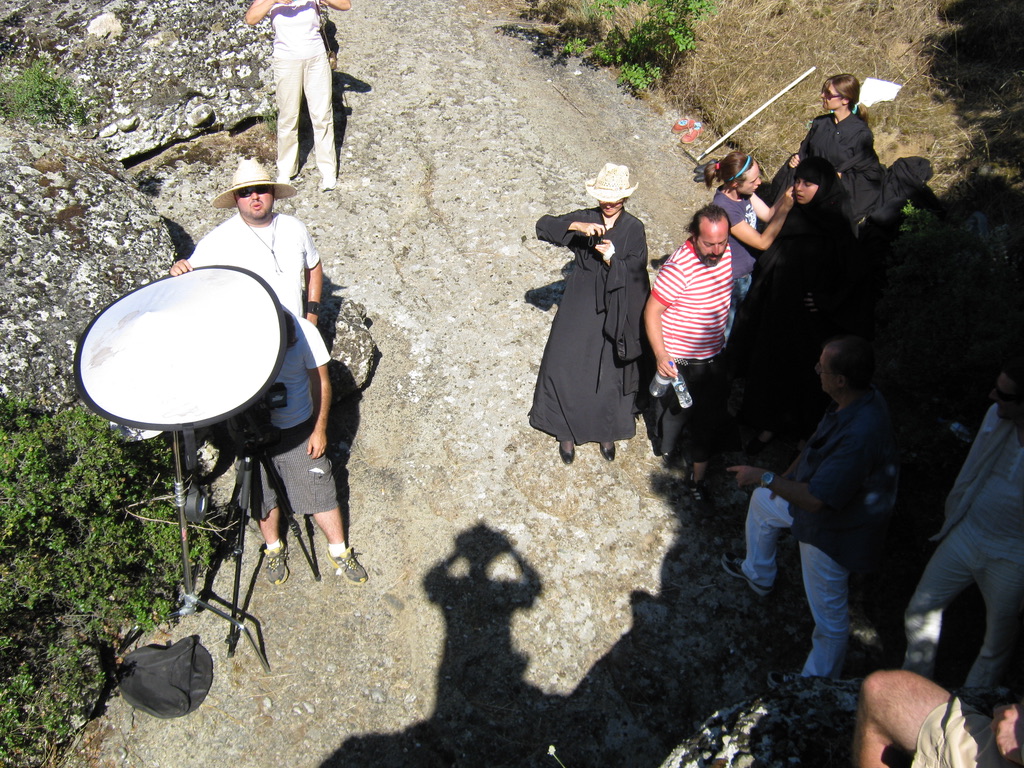
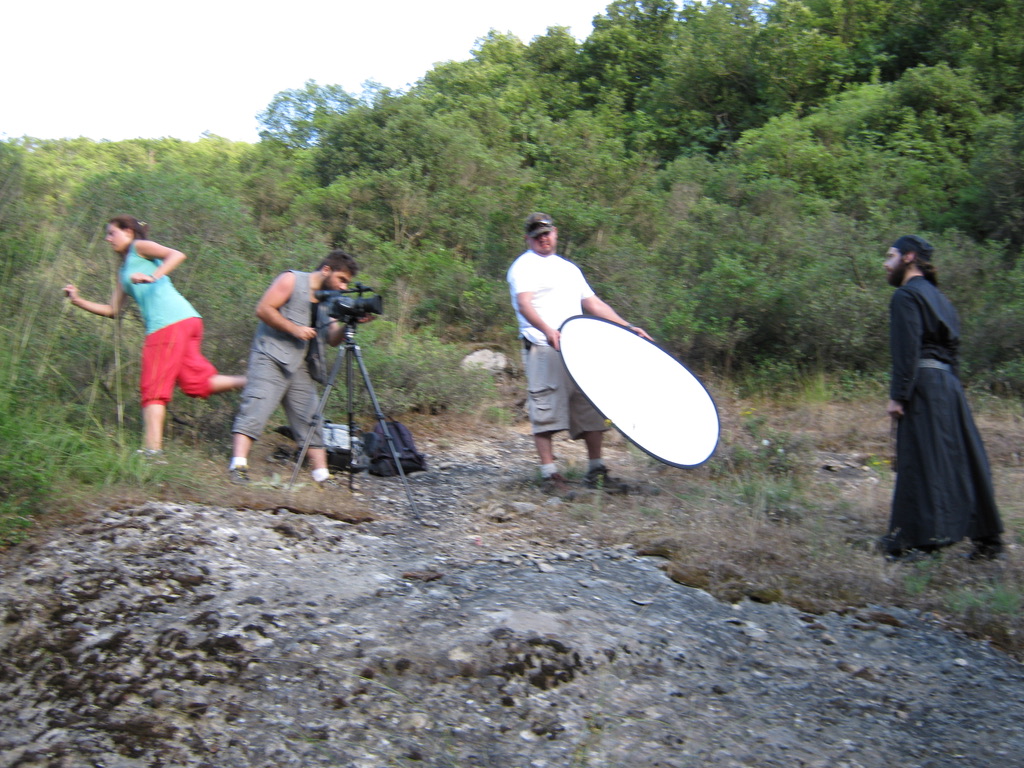
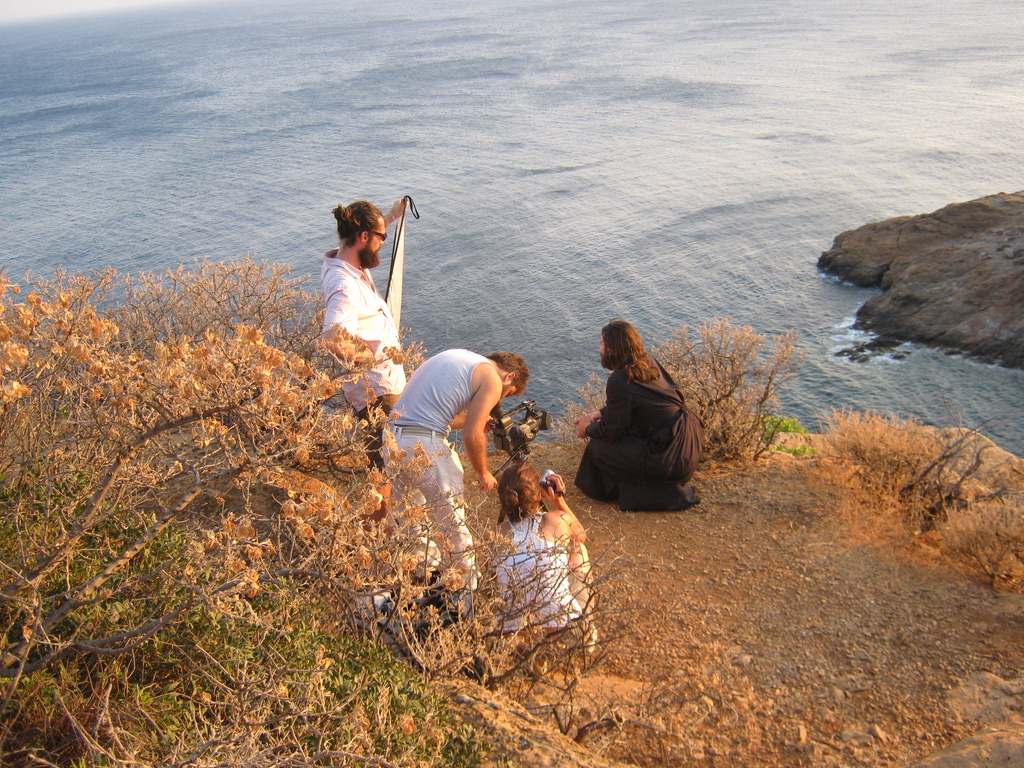
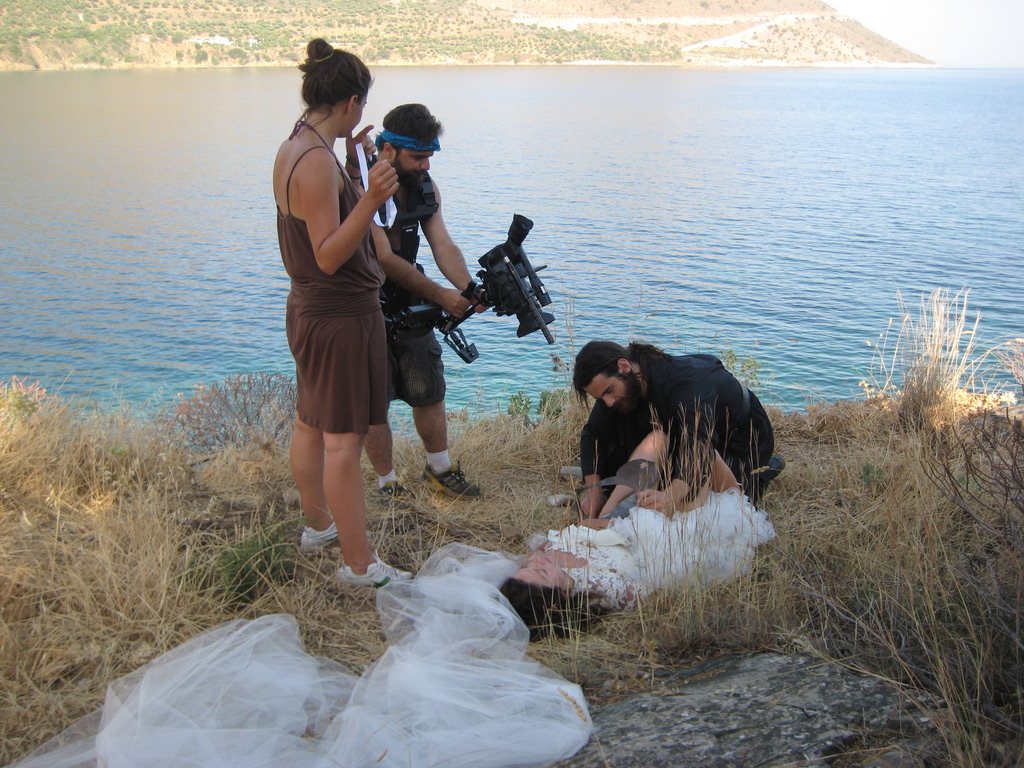
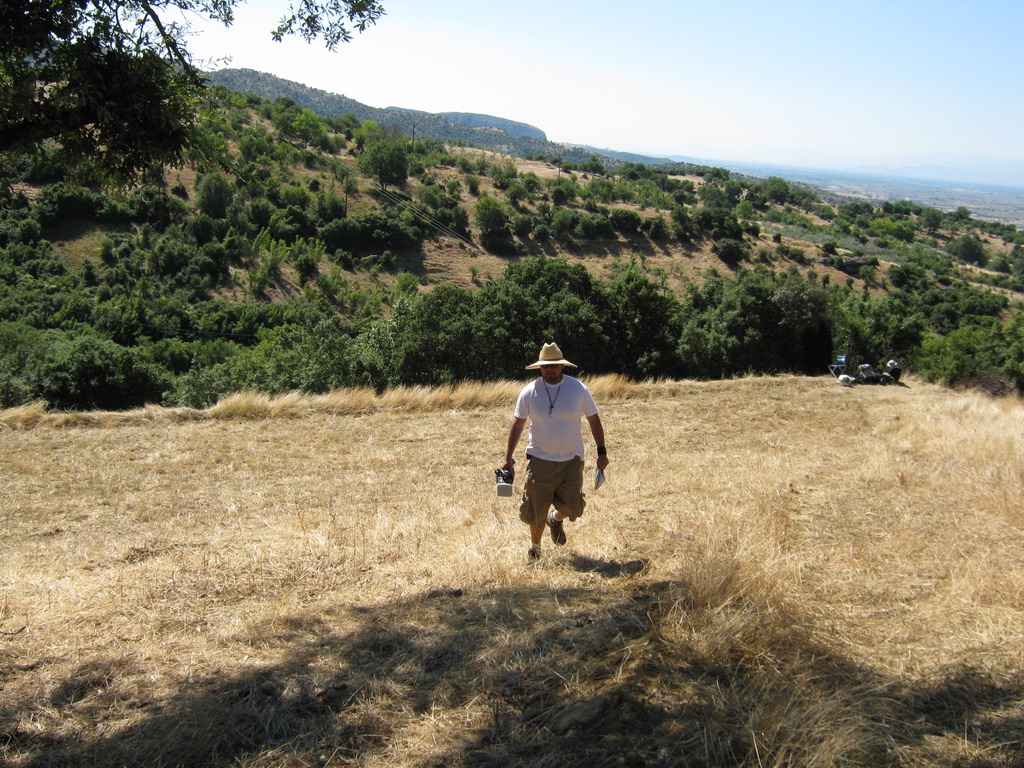
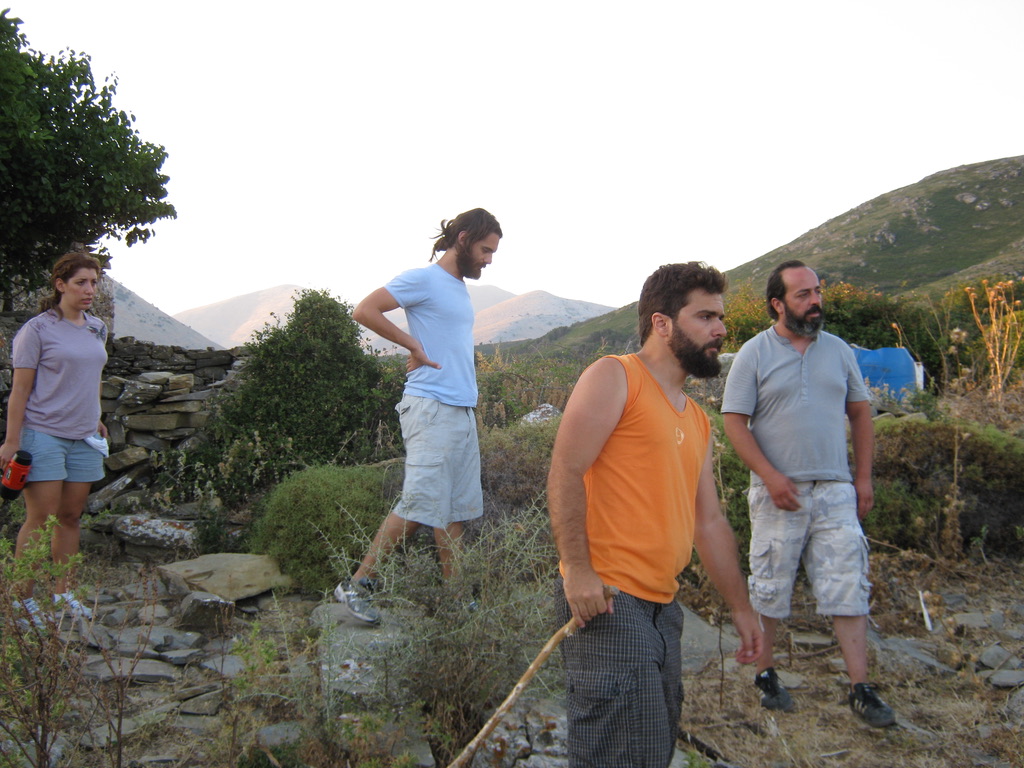
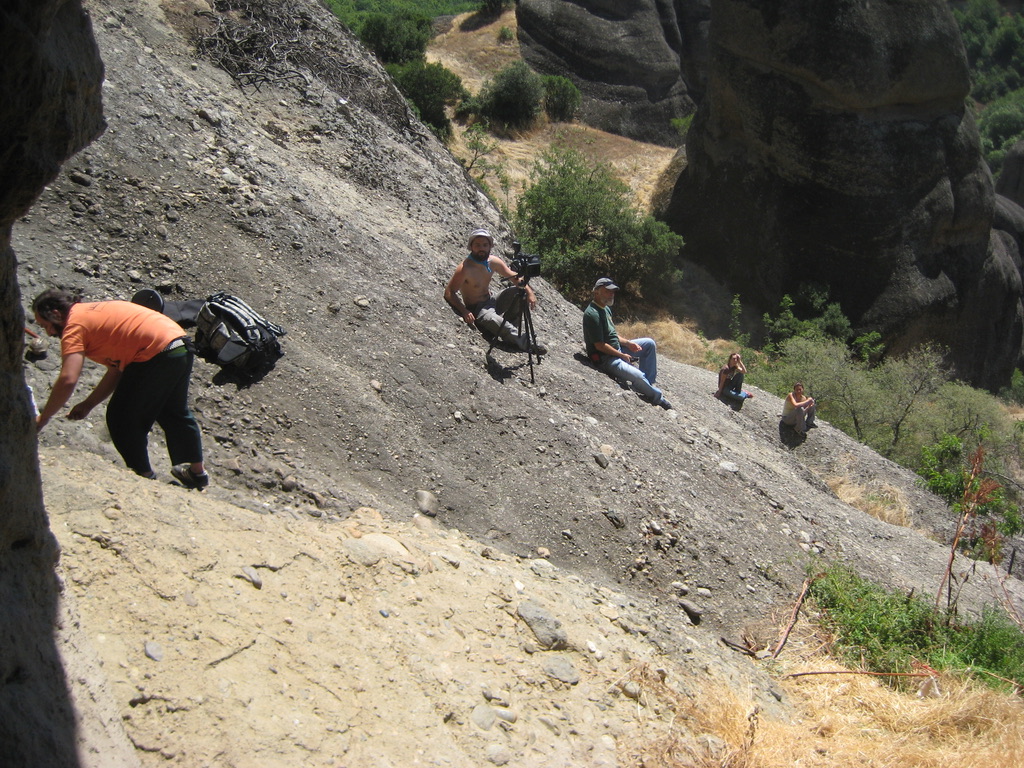
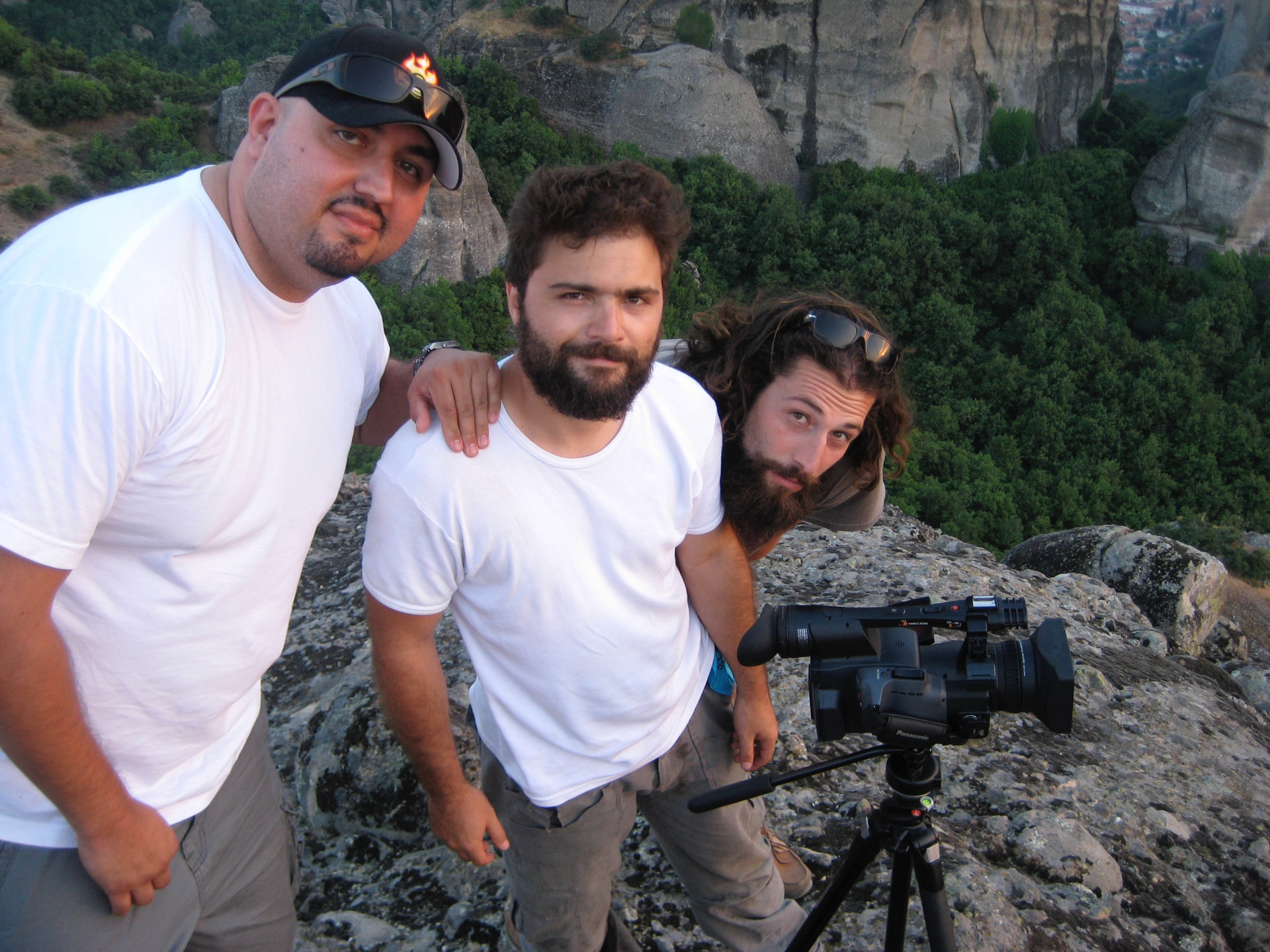
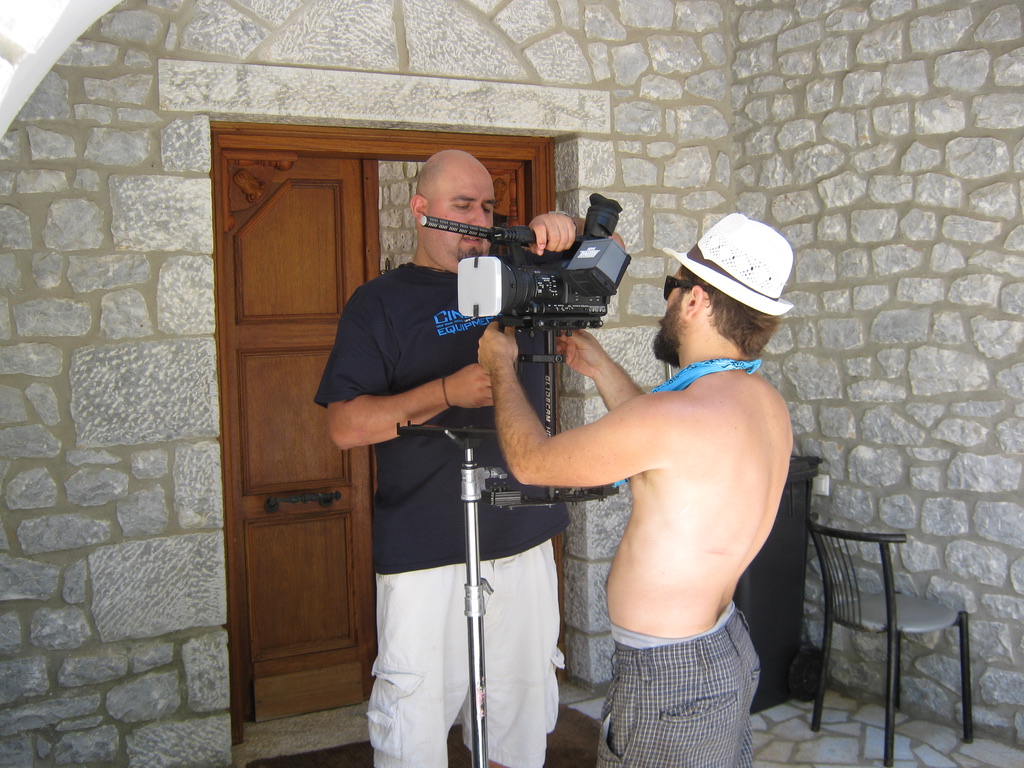
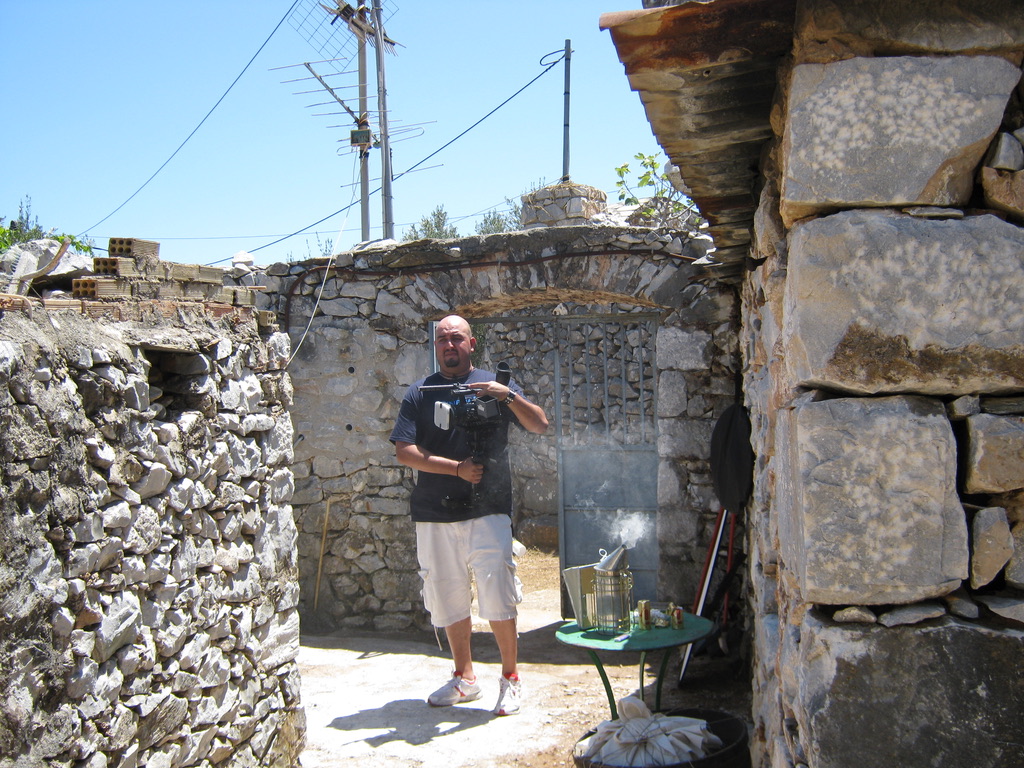
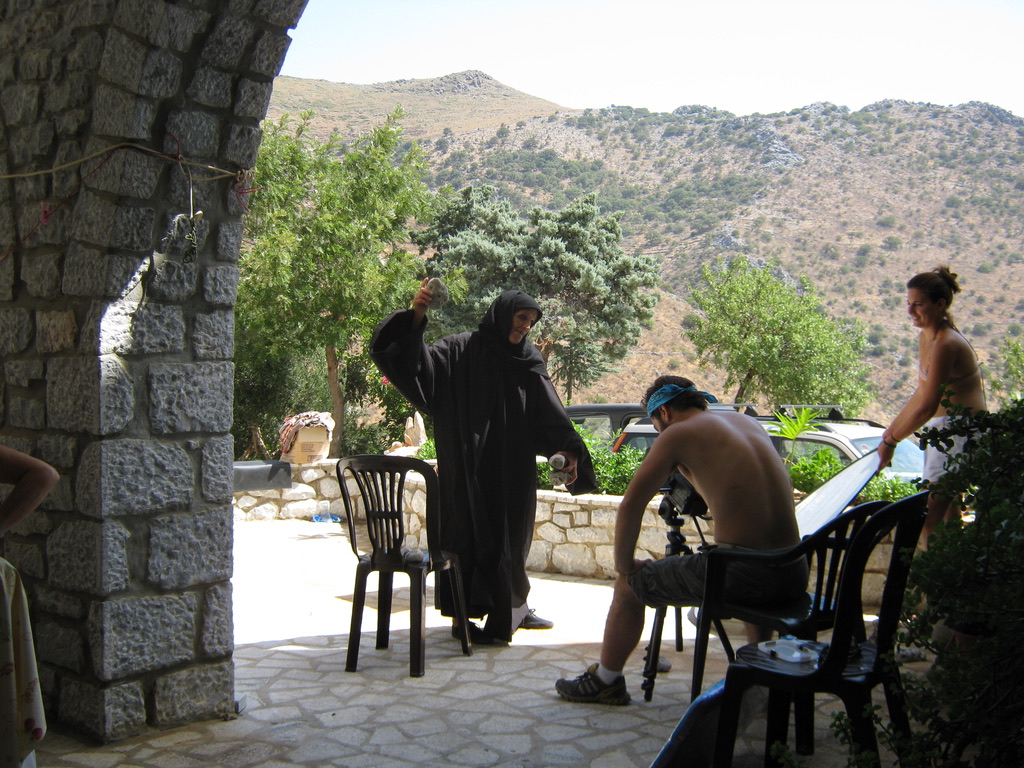
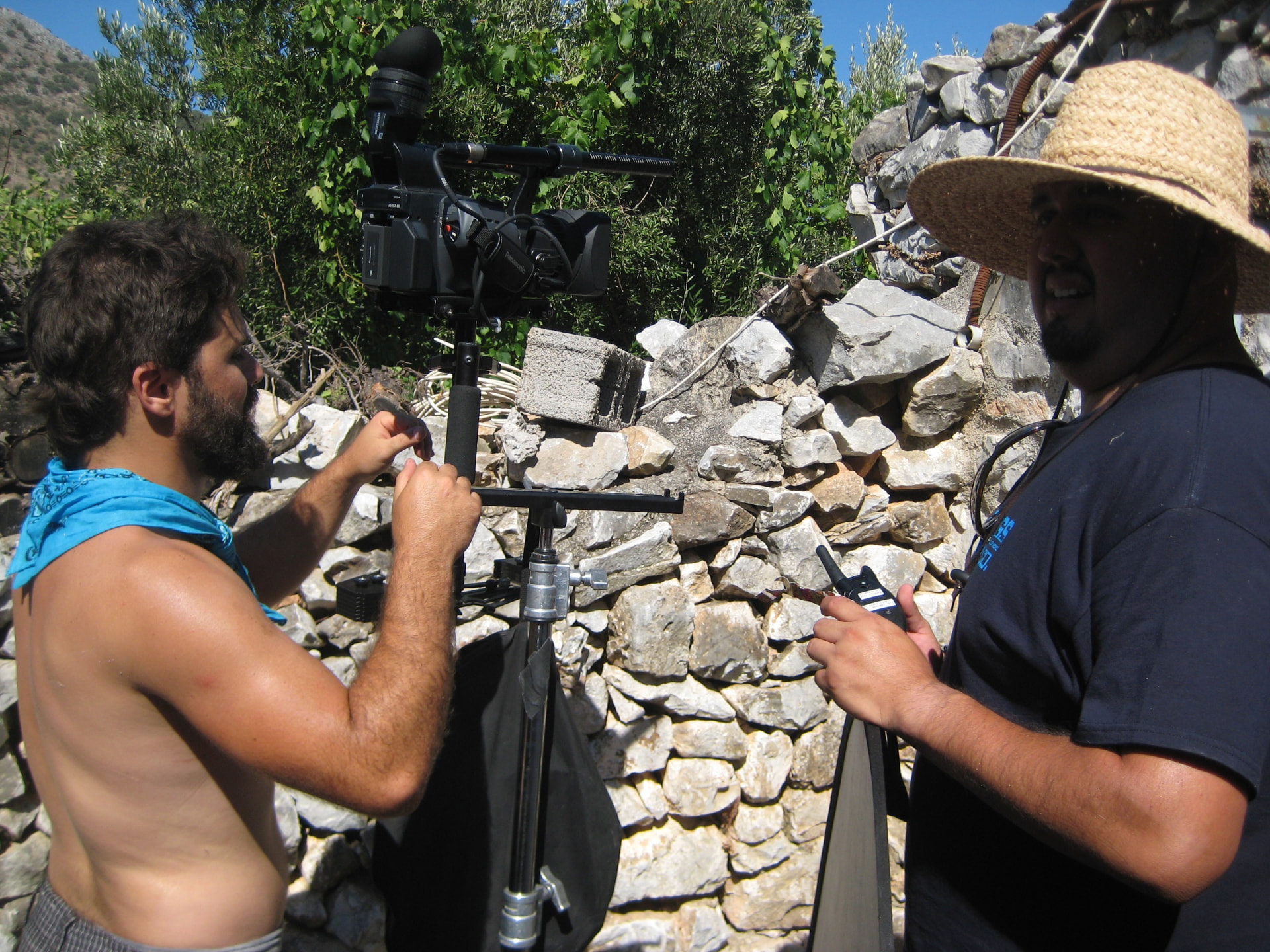
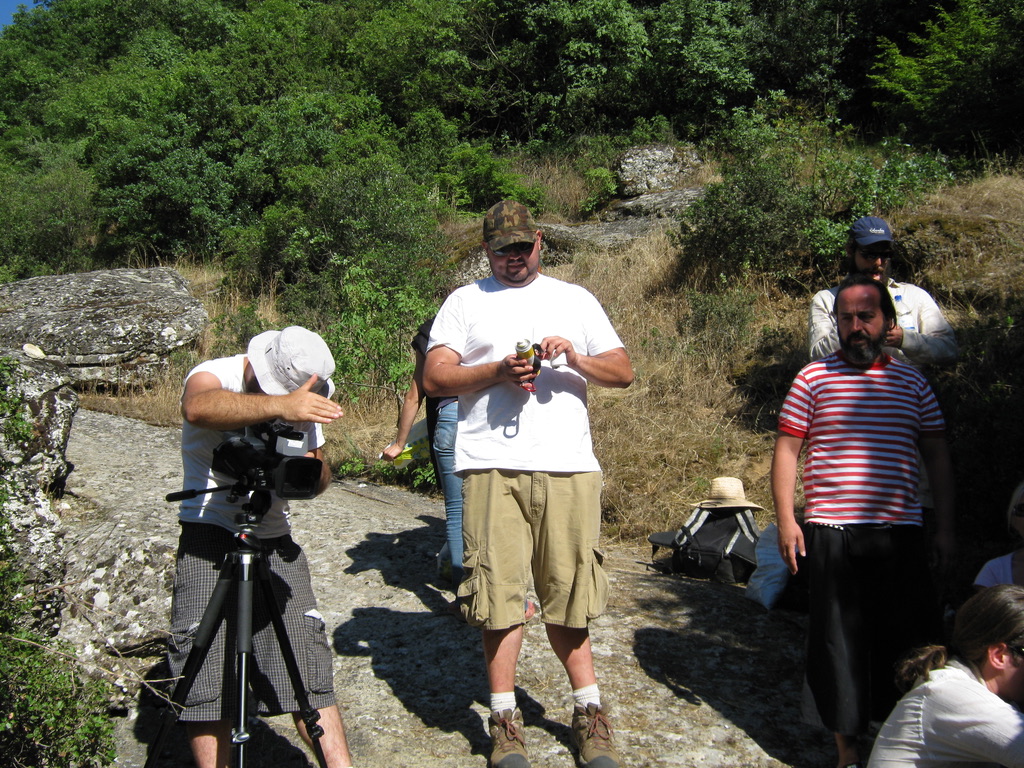
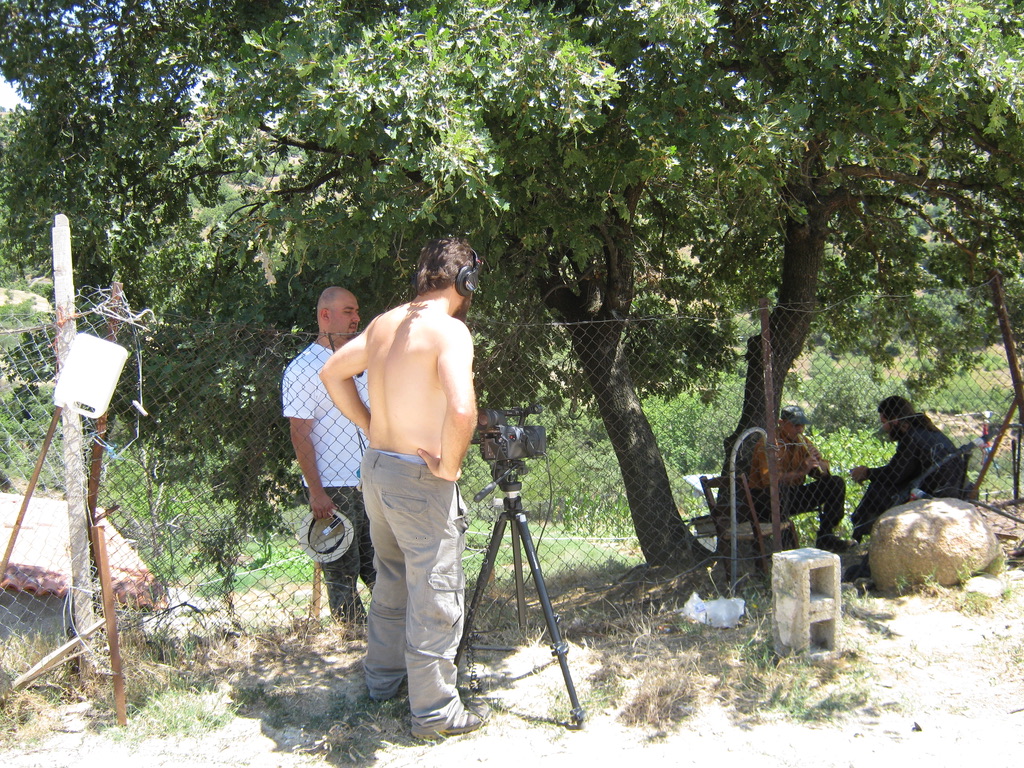
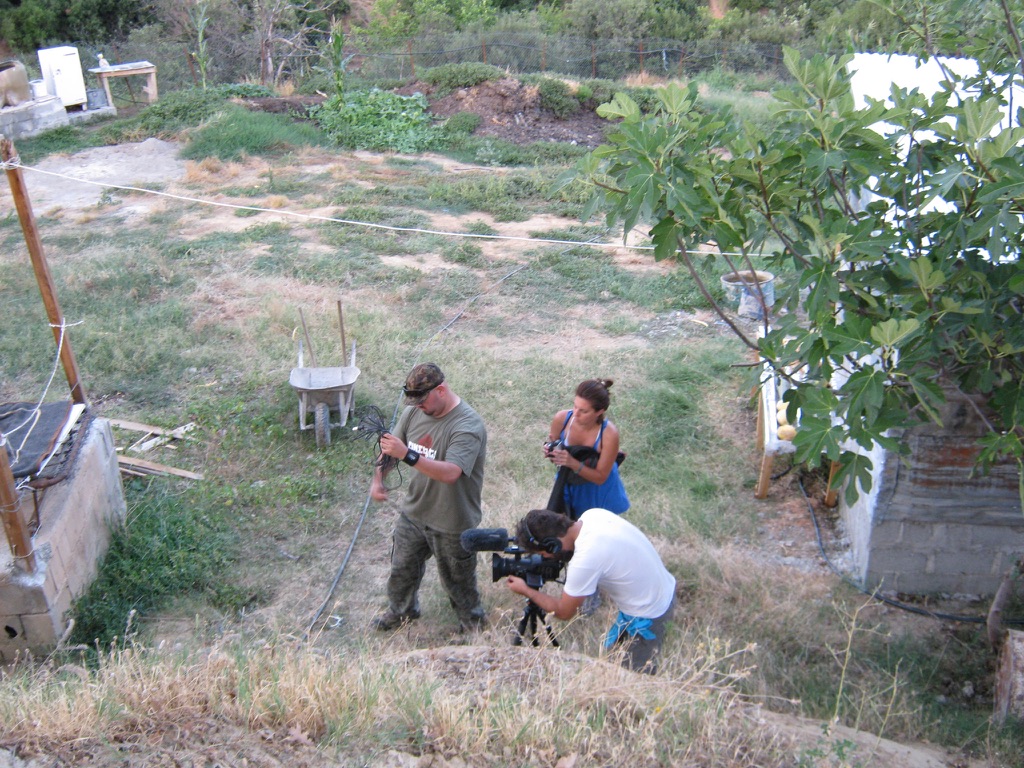
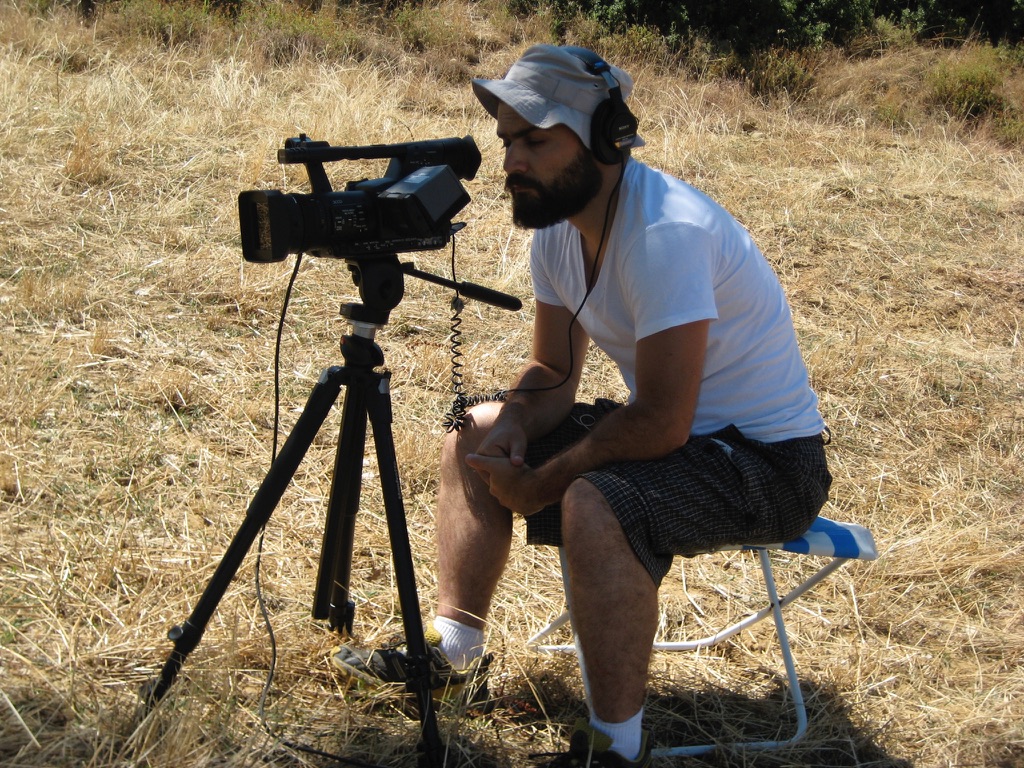
Velarde reunited with Stathoulopoulos as Co-Producer on the German-Greek production, two years after PVC-1. On a crew this small, the producer credit only describes part of it. He supplied the camera and the essential production equipment the film was shot on, and worked the shoot as 1st Assistant Camera and DIT.
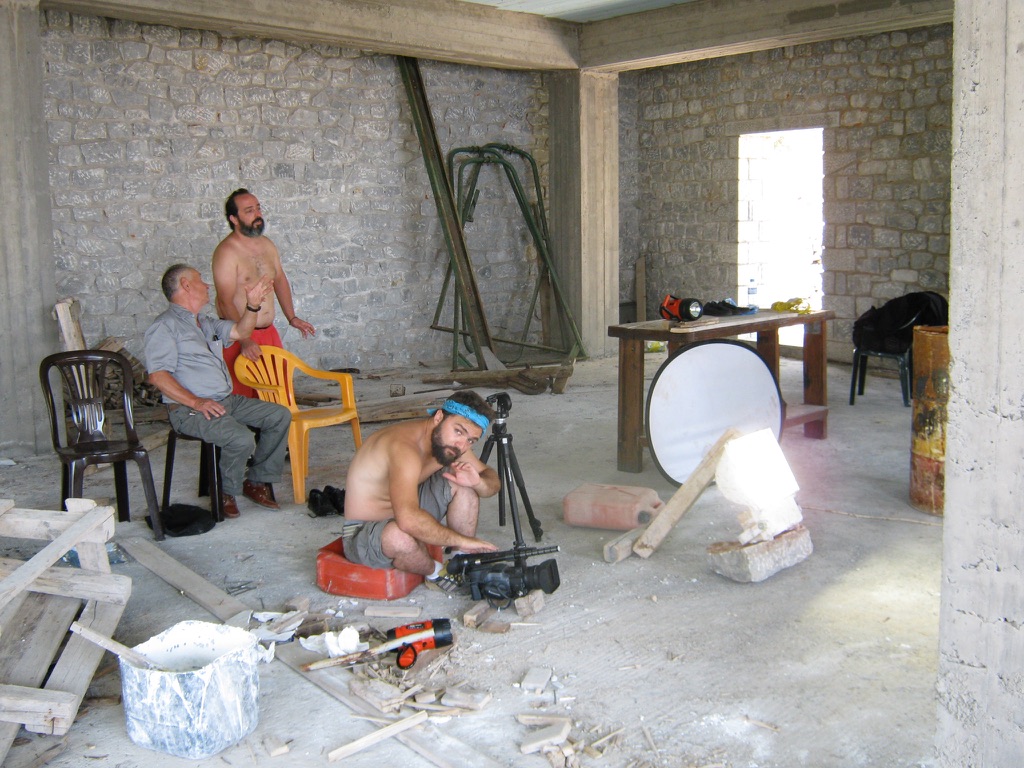
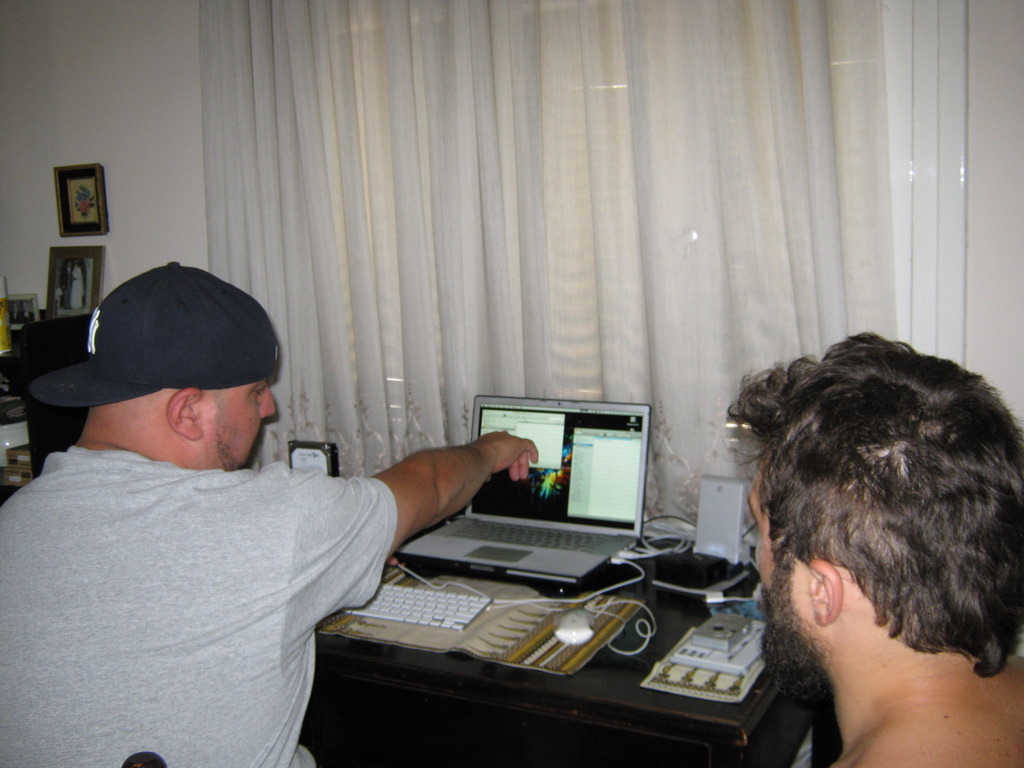
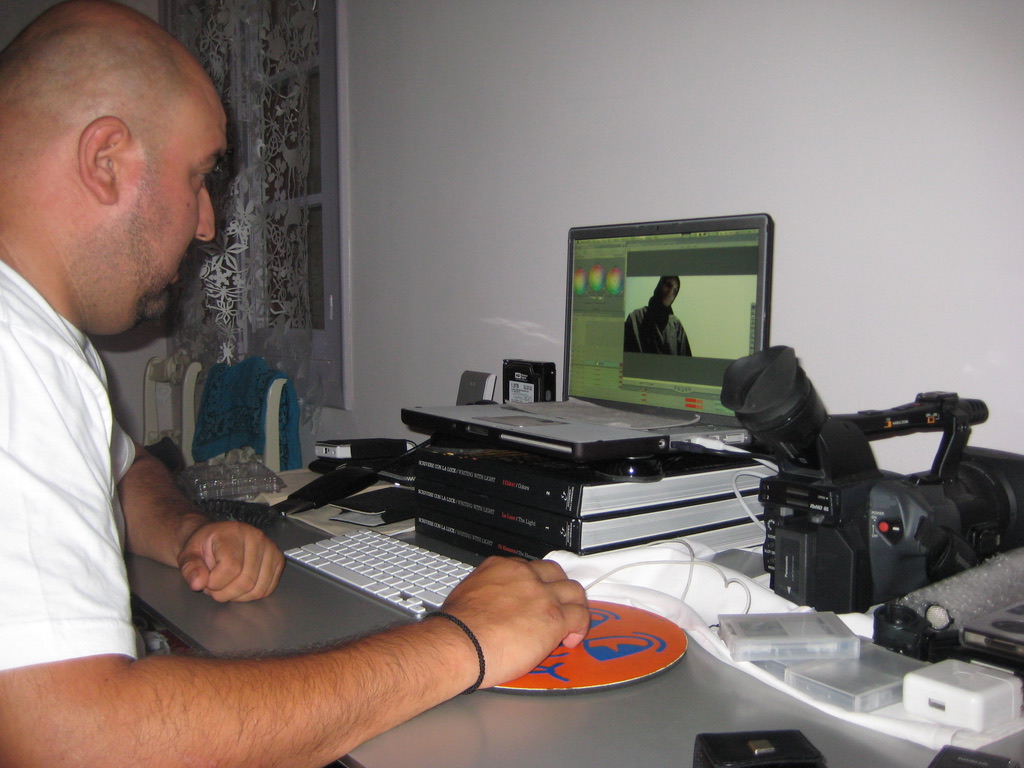
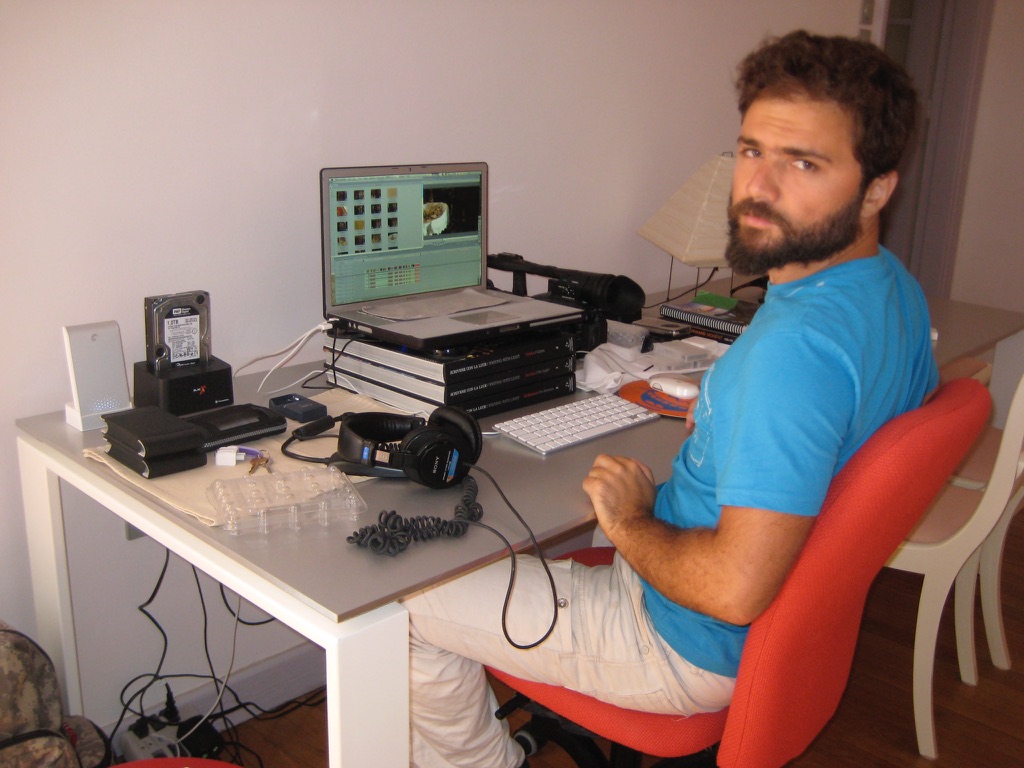
He also built a post-production setup on location, so footage could be ingested, organized, reviewed and cut while principal photography was still running. In 2009 that was not how films were made. Digital cutting rooms lived in cities, footage traveled to them, and editorial started when the shoot ended. Putting the cutting room on the mountain collapsed that gap: the edit was already well advanced when photography wrapped, and a first cut of Meteora was finished roughly a week later.
Creatively the film was a departure from PVC-1 in every respect. Where the earlier film used one continuous moving camera to build physical claustrophobia, Meteora works in composed CinemaScope frames, largely static, using the scale of the landscape to make the entrapment psychological instead.
Its most distinctive element was hand-painted animation drawn from Byzantine Orthodox iconography, produced separately from the edit and conceived as a window into the monk and nun's private thoughts. The sequences gave the film a parallel visual world where, as co-writer Asimakis "Alfa" Pagidas put it, fantasy and reality intermingle. Emotions the characters could never express aloud became visible on screen, and the film landed somewhere between cinema and an illuminated manuscript.
The animation schedule and the financing carried the film through the years that followed. Meteora premiered in Competition at the 62nd Berlin International Film Festival in 2012, in contention for the Golden Bear. A film this unconventional, made by a team this small, reached one of the most prestigious stages in international cinema. Screen International called its imagery an extraordinary feat, and Variety singled out the animated passages for illuminating the characters' inner states.
Velarde's credits on the picture ran from Co-Producer to camera owner, 1st AC, DIT and on-location post supervisor — four jobs a crew that size could not otherwise have afforded.