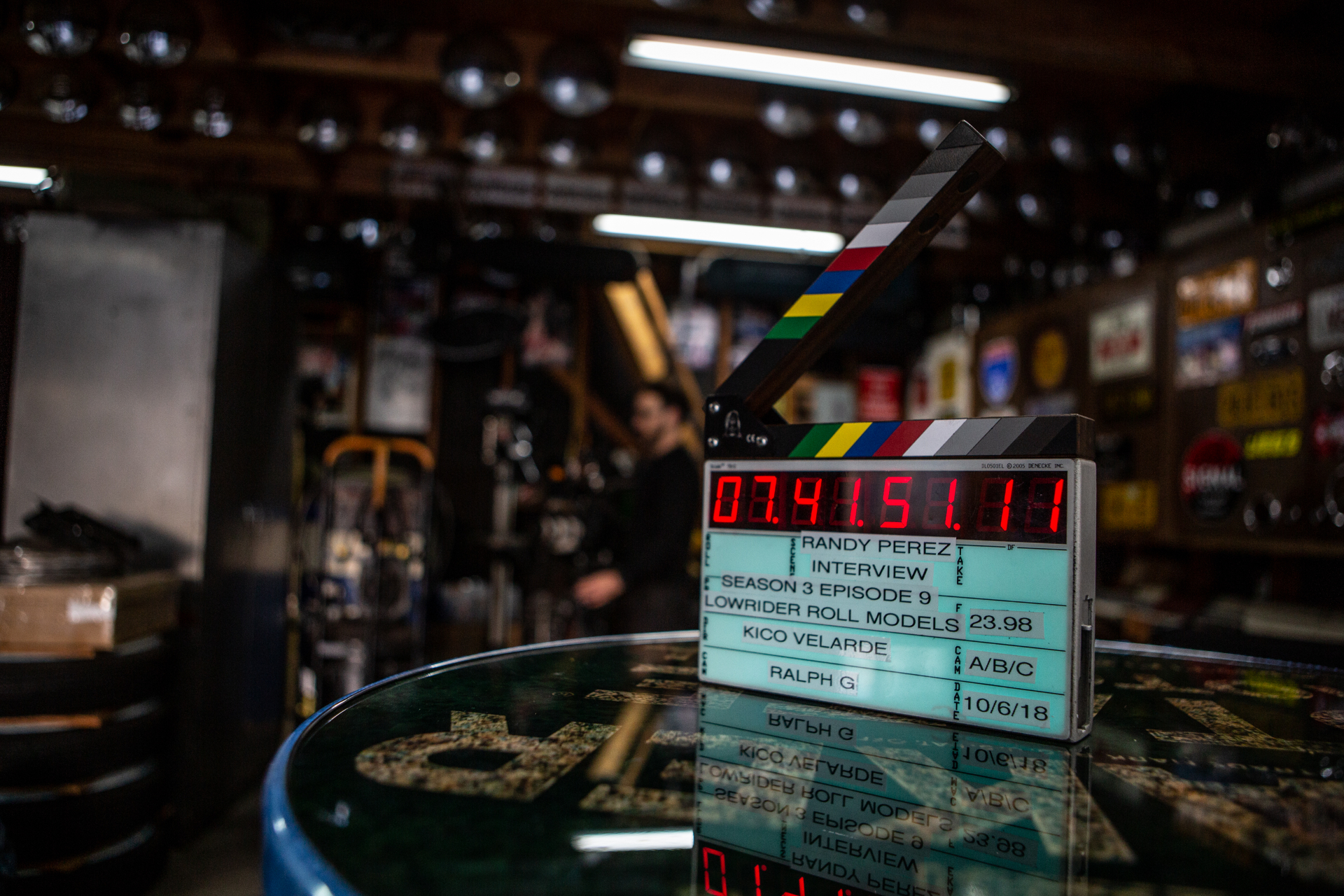
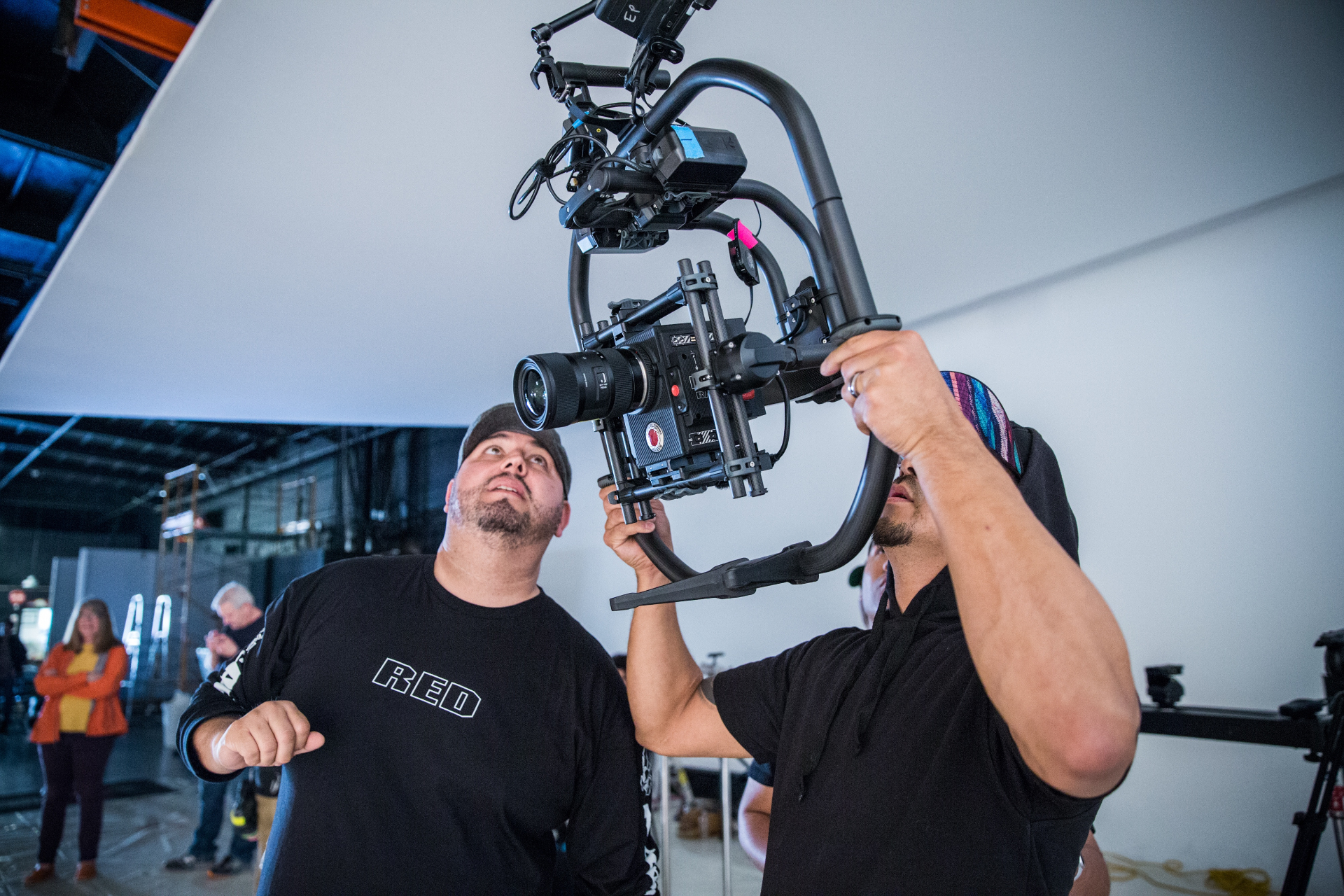
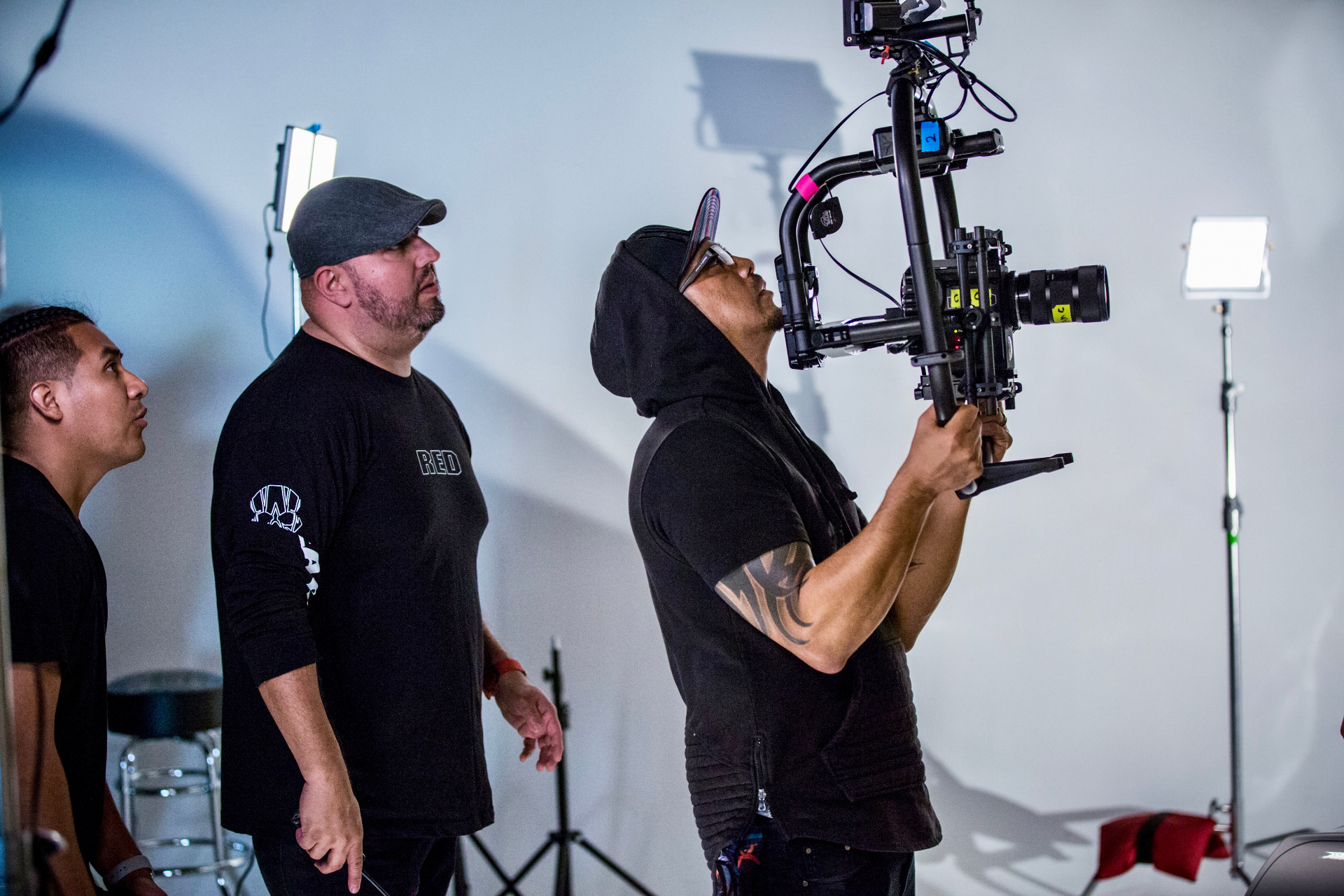
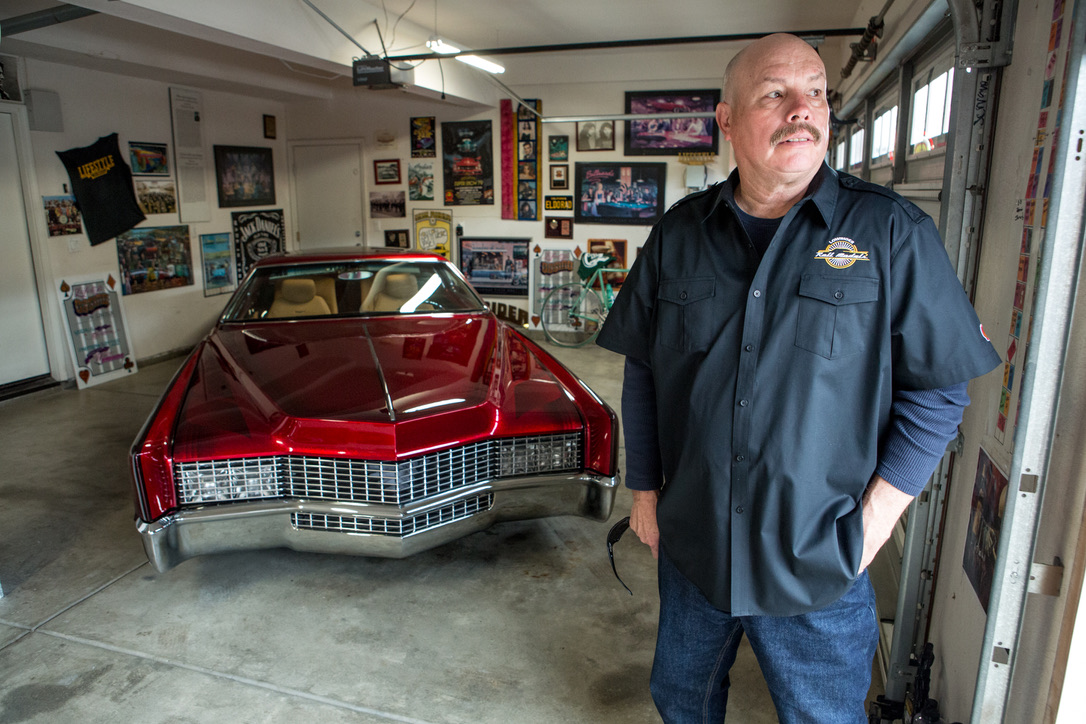
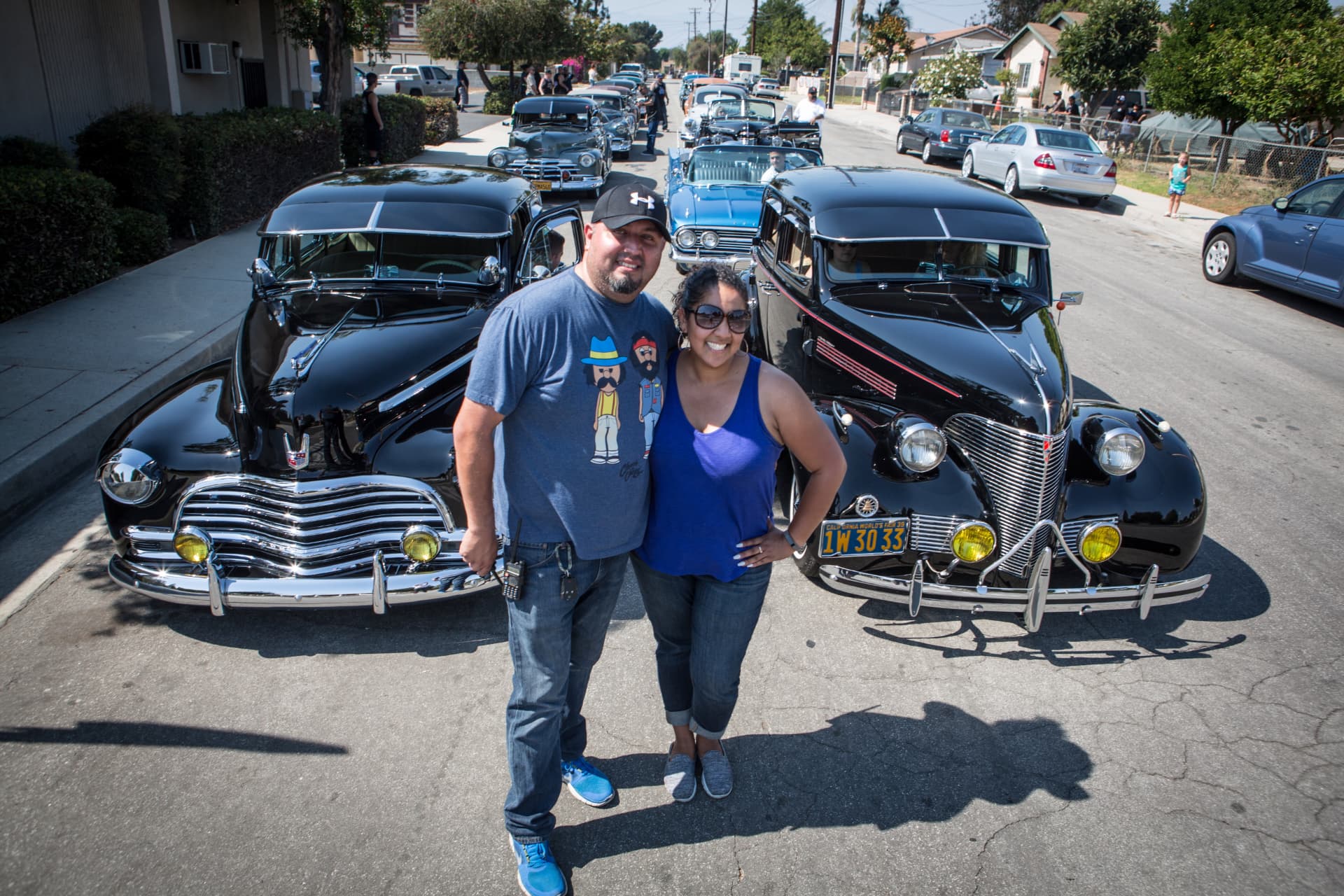
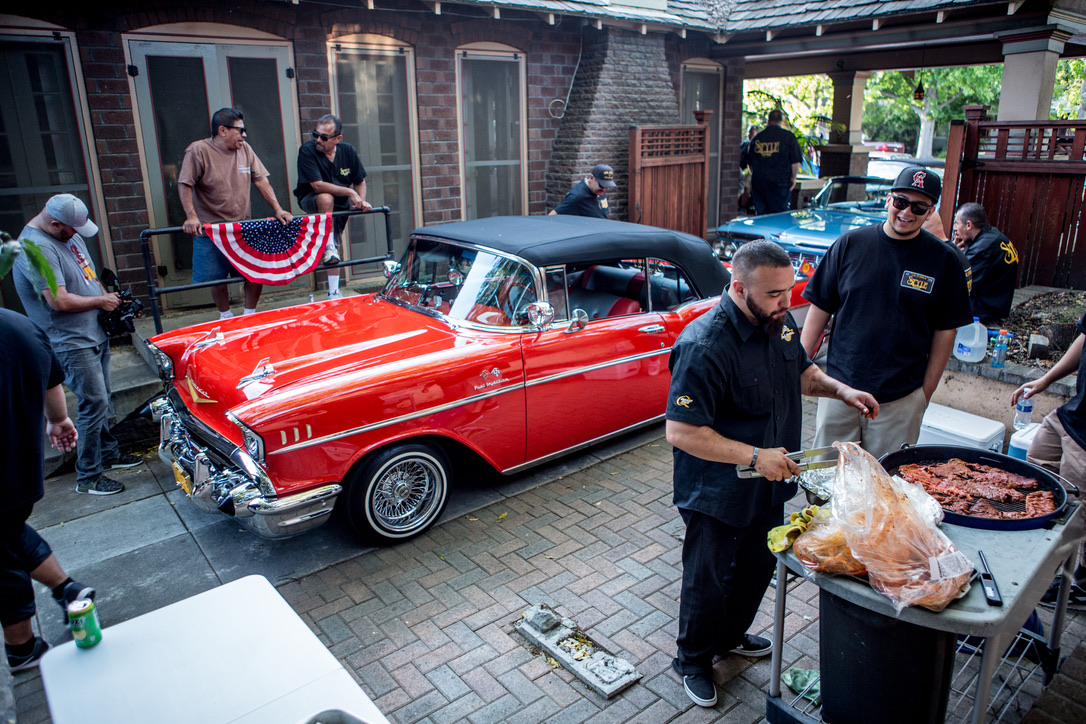
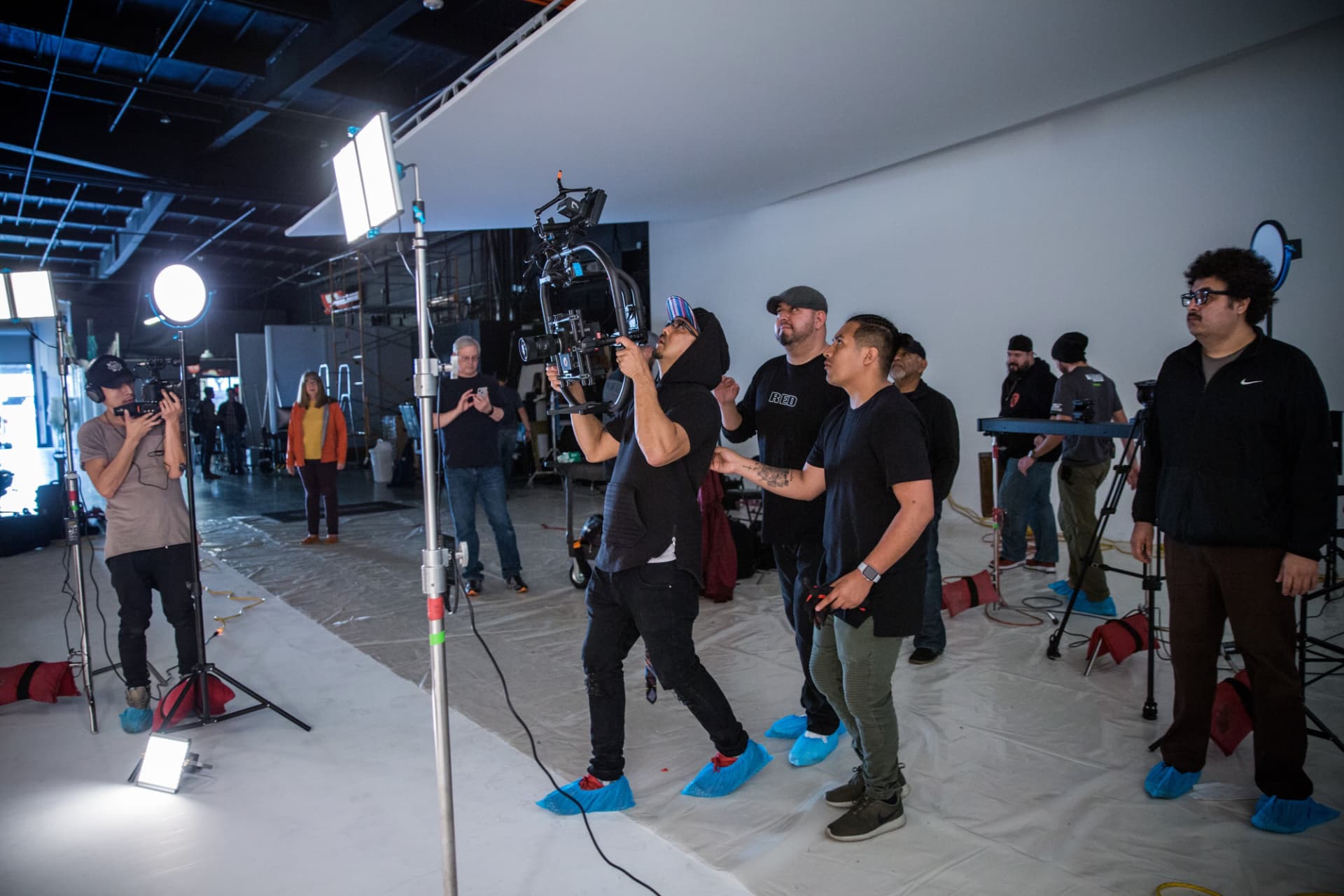
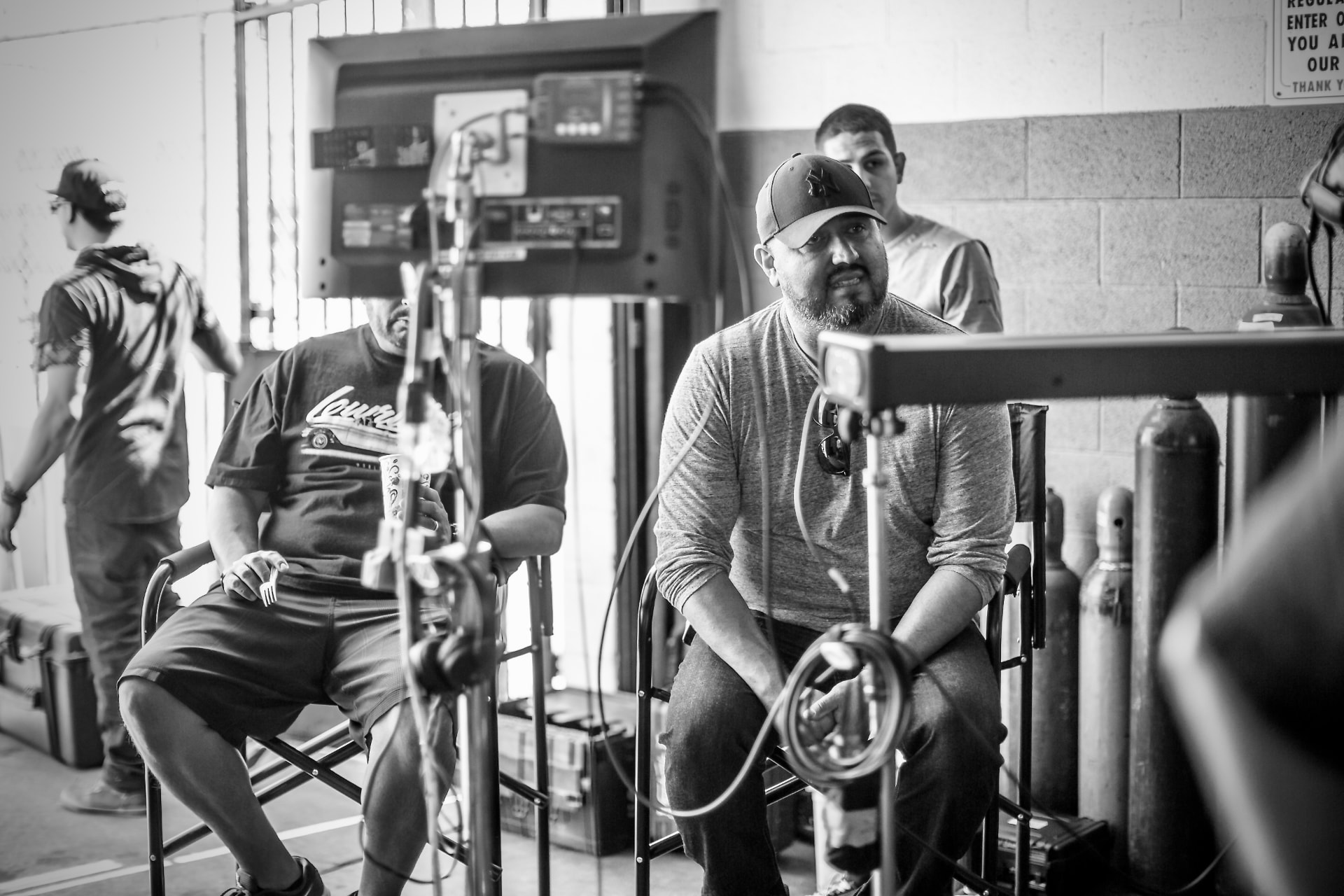
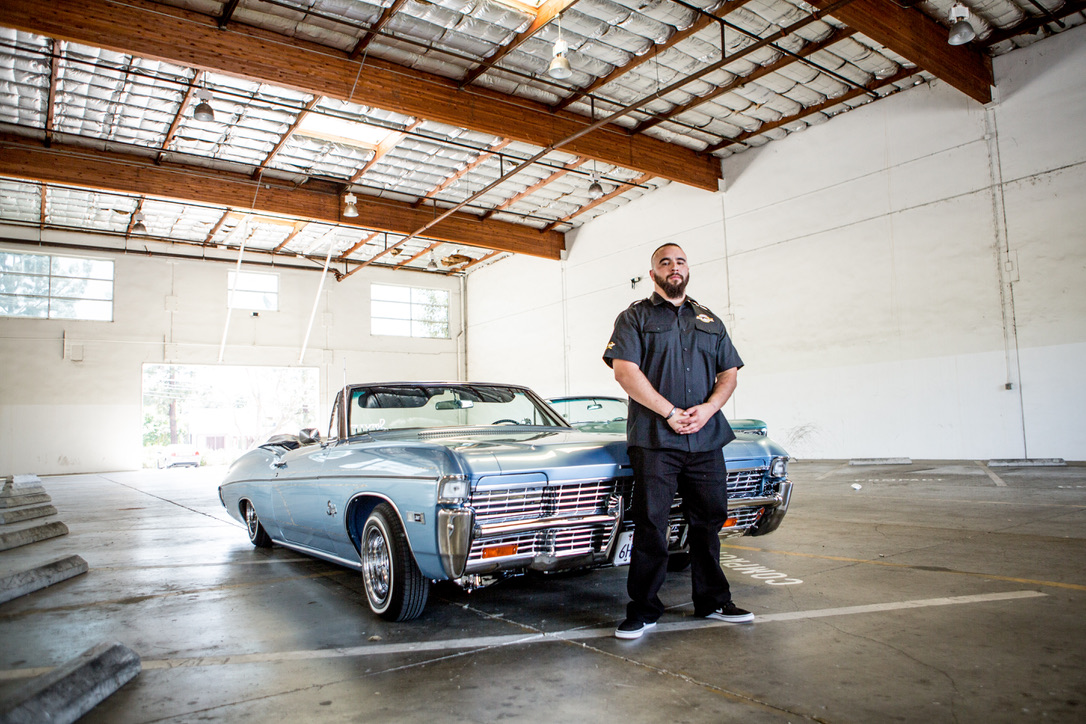
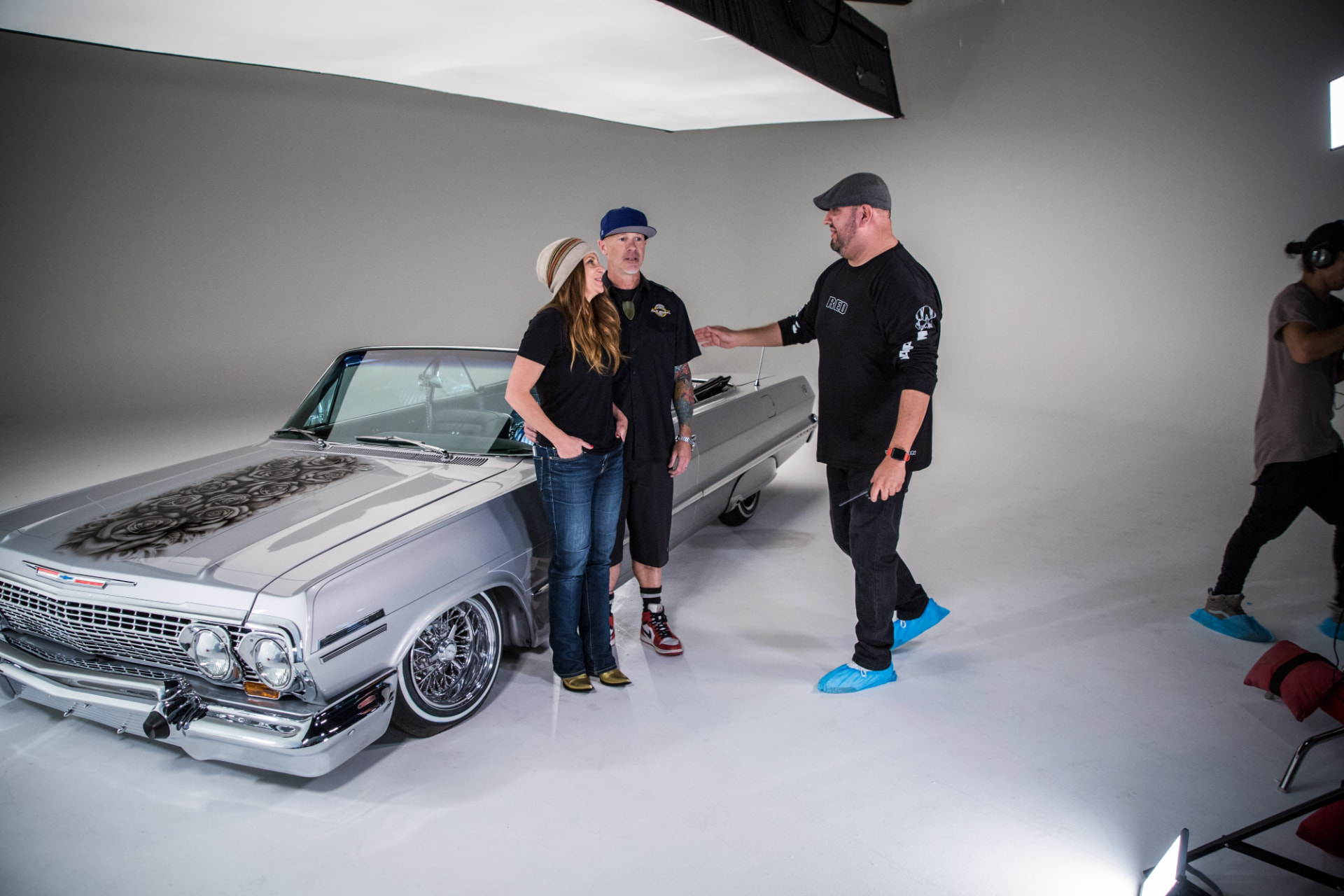
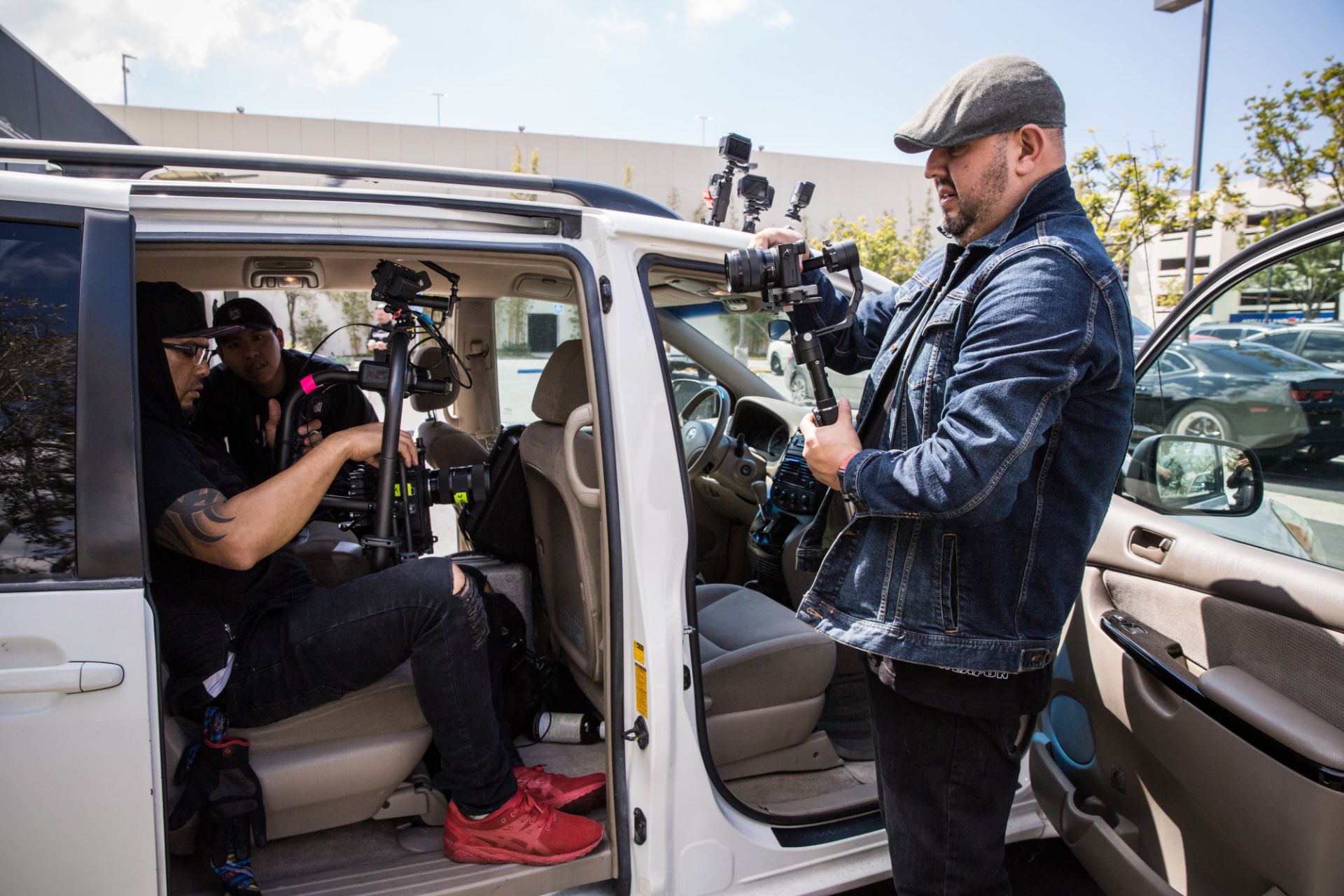
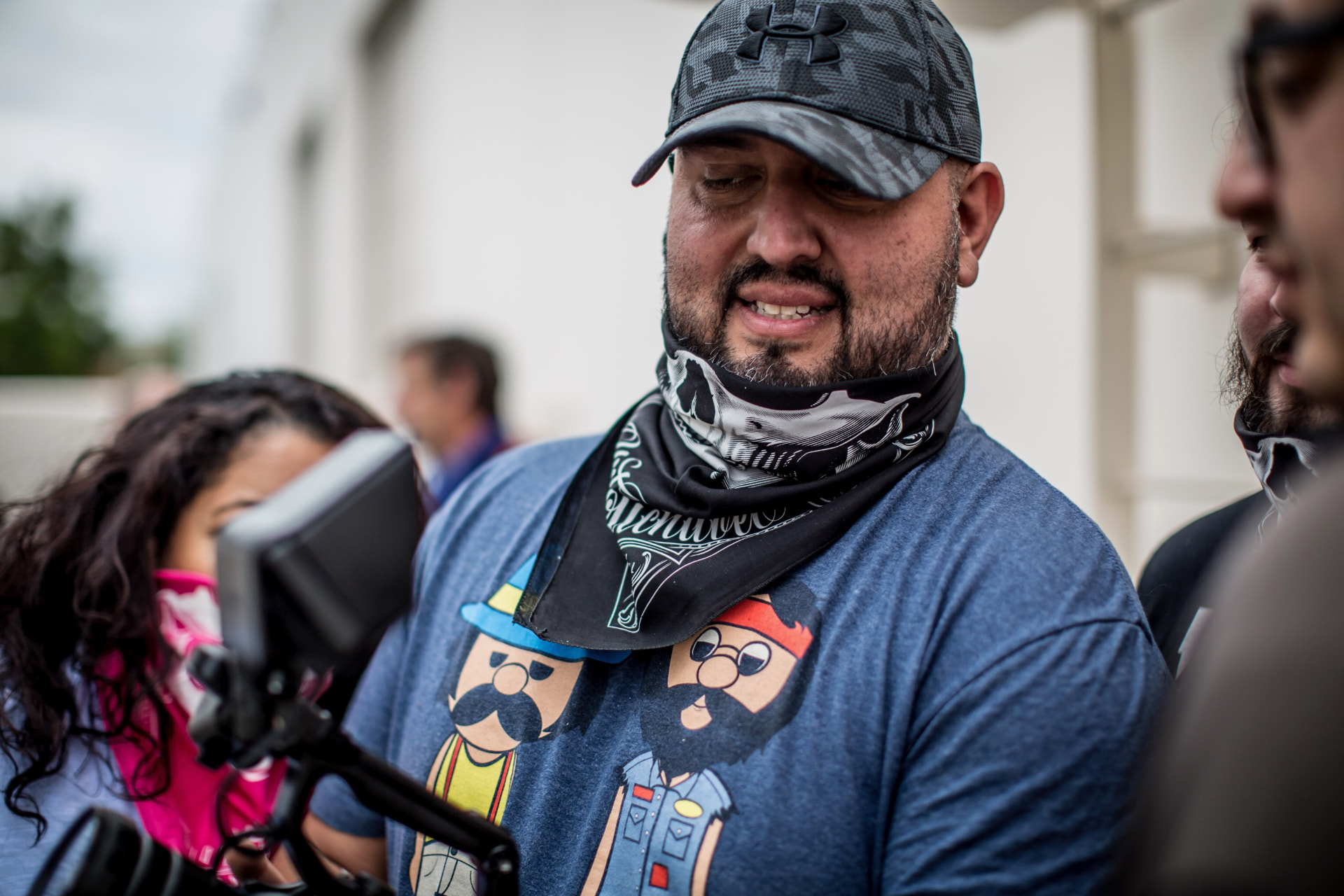
Lowrider culture has spent decades being defined by stereotype rather than by the families, builders, artists and community leaders who actually make it up. Lowrider Roll Models was built to change that, and the method was specific: don't tell an audience their perception is wrong. Introduce them to people compelling enough to change it themselves.
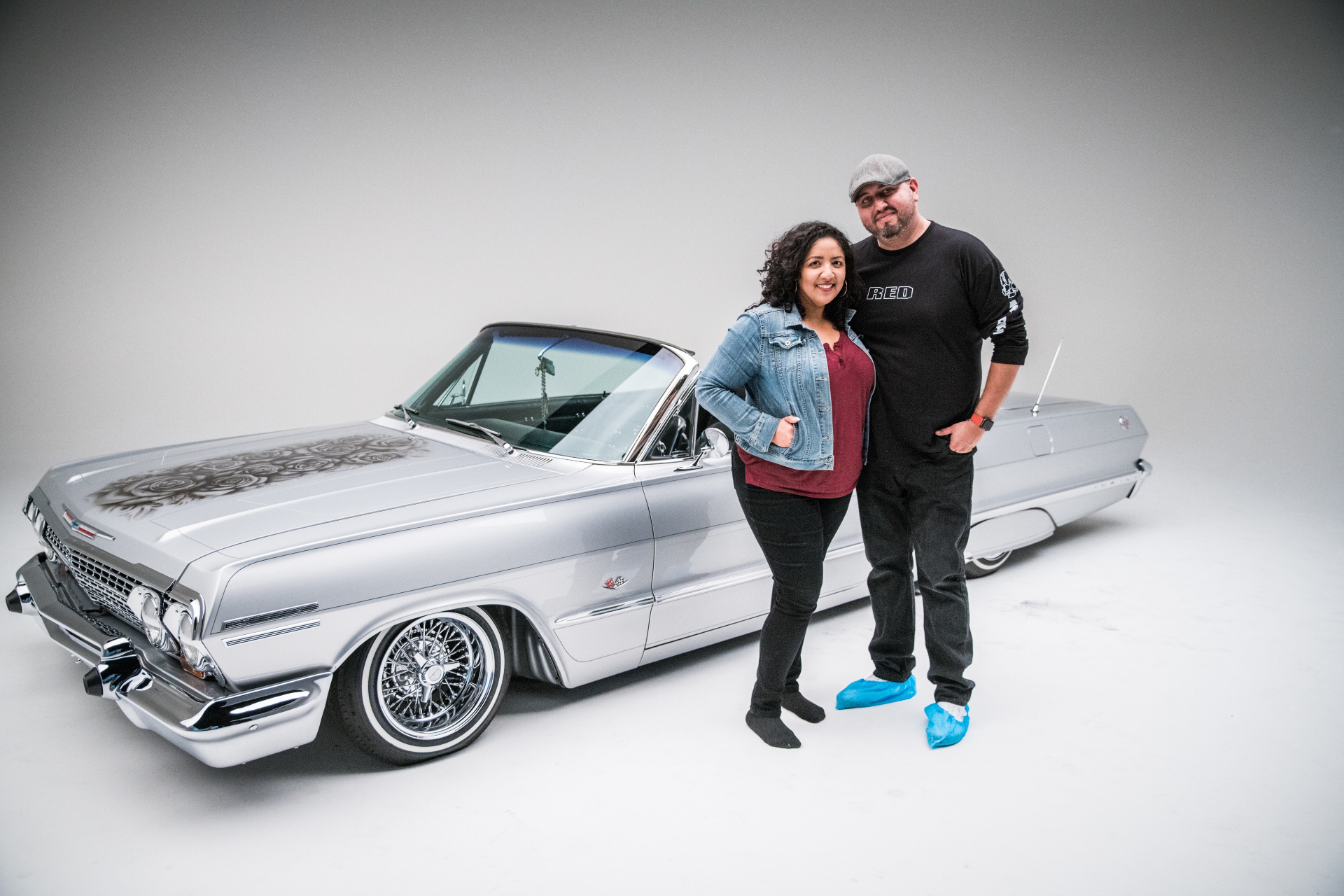
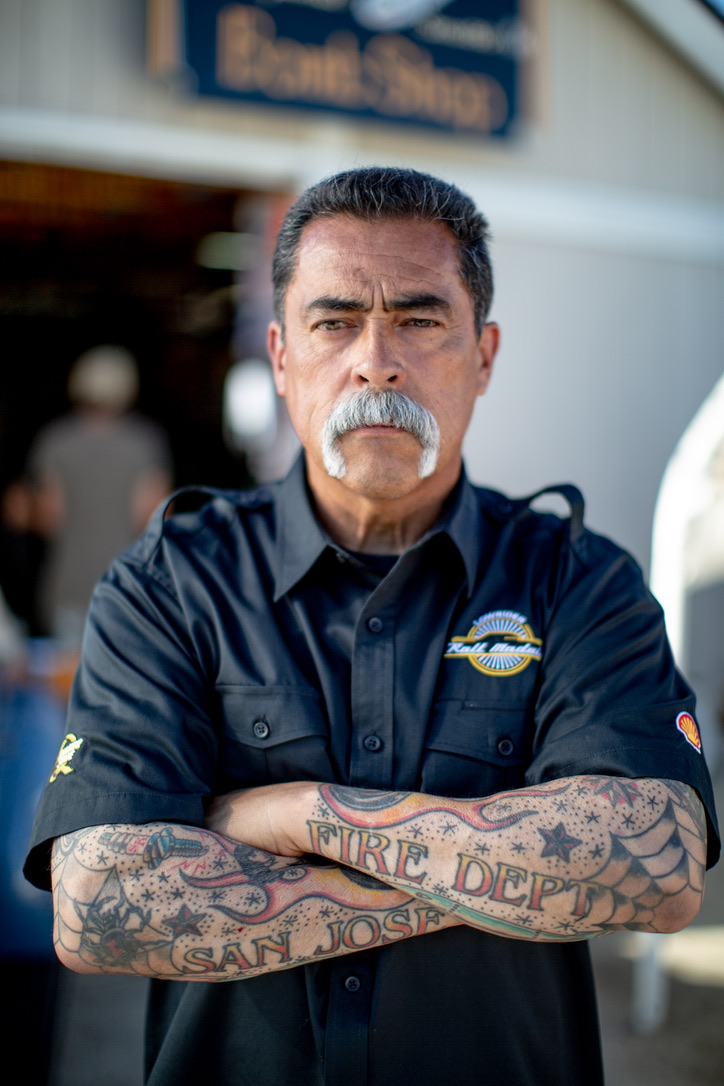
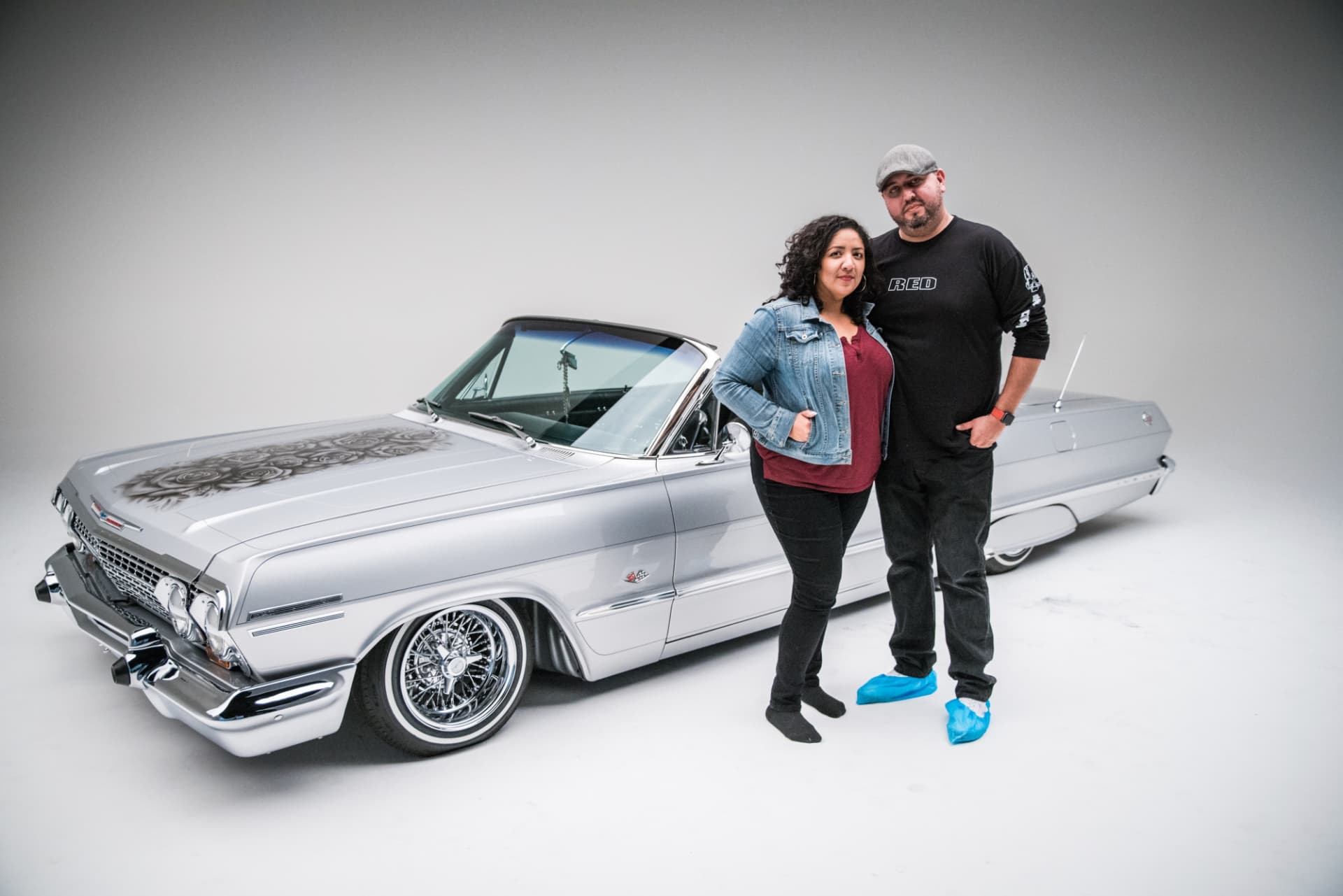
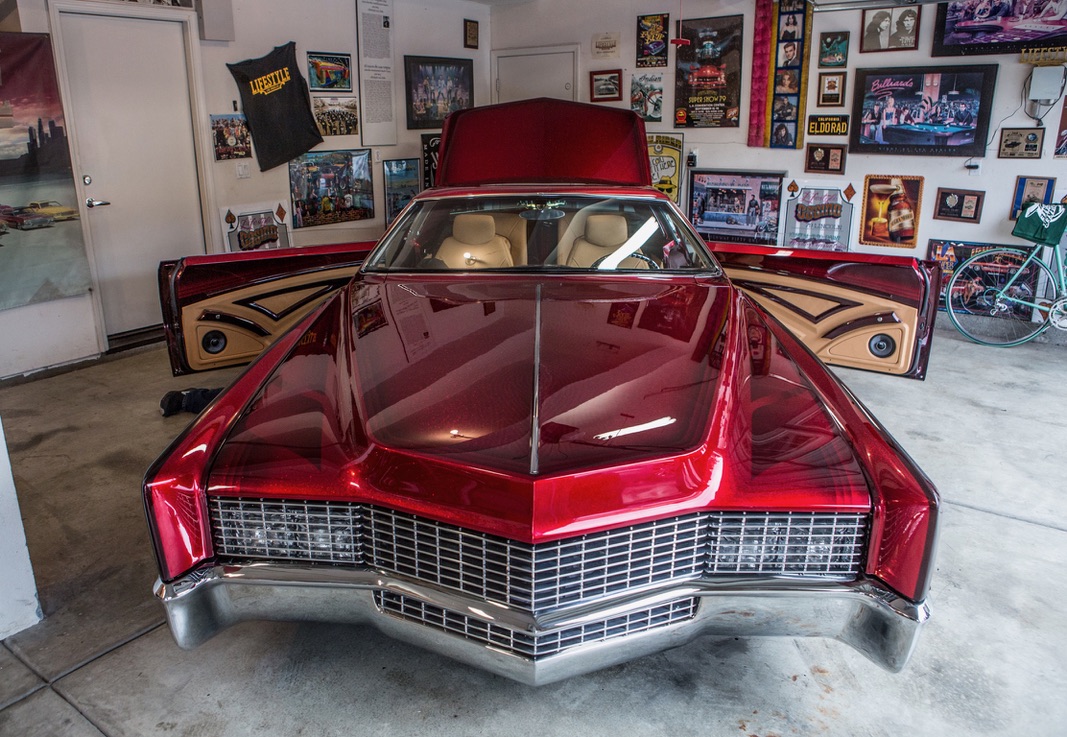
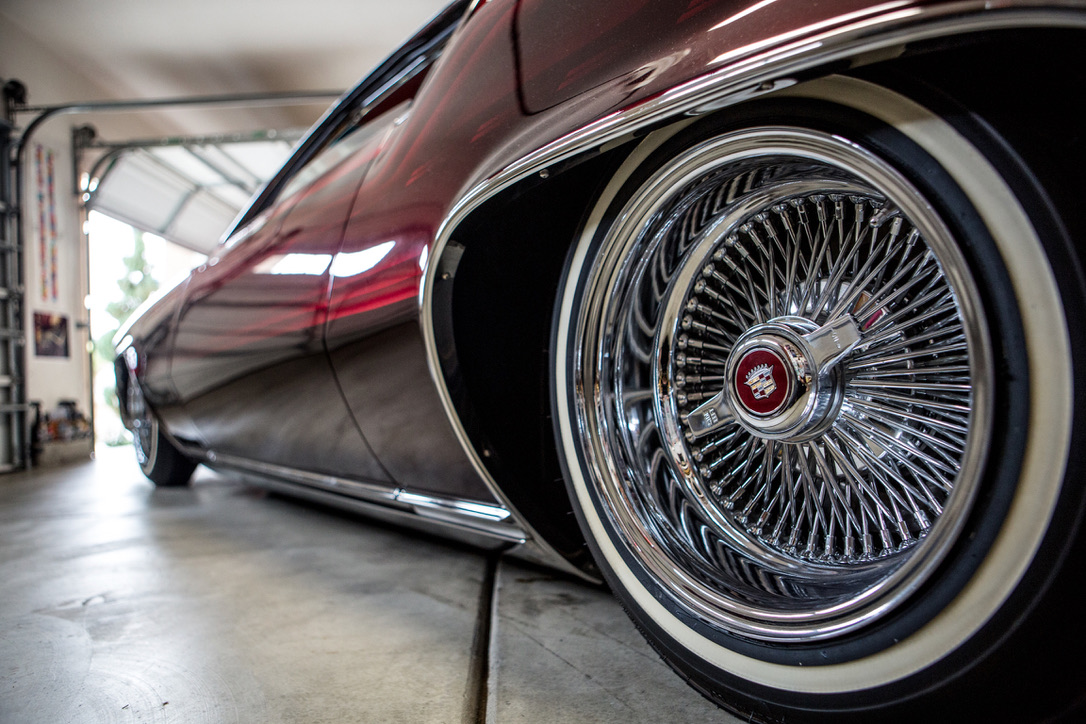
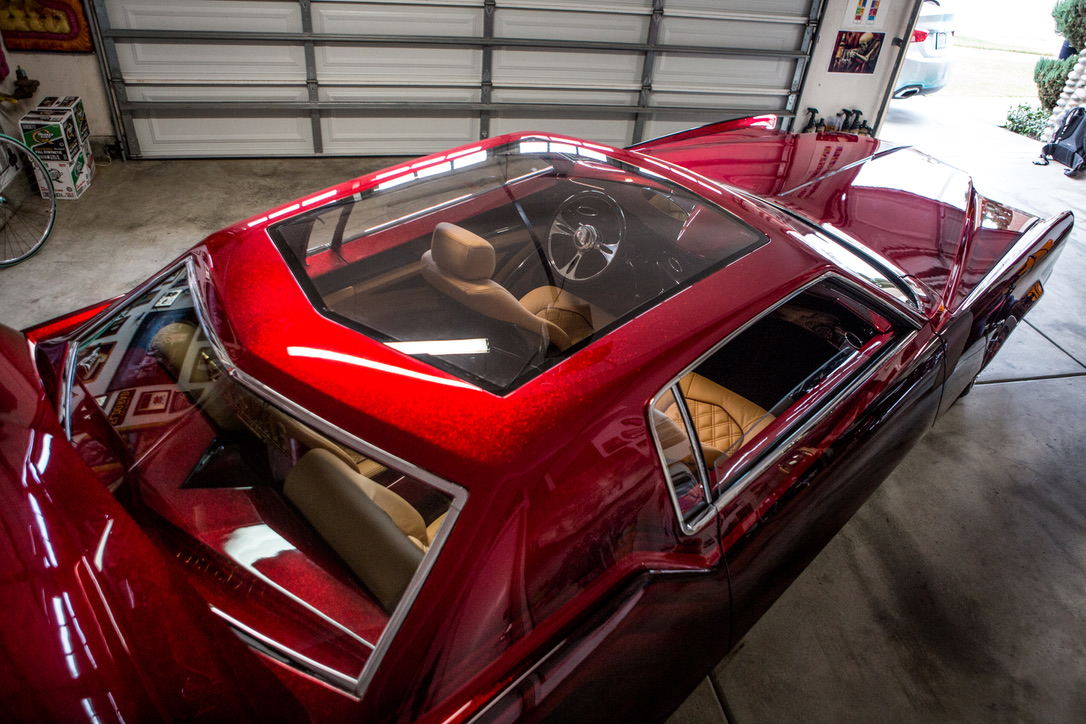
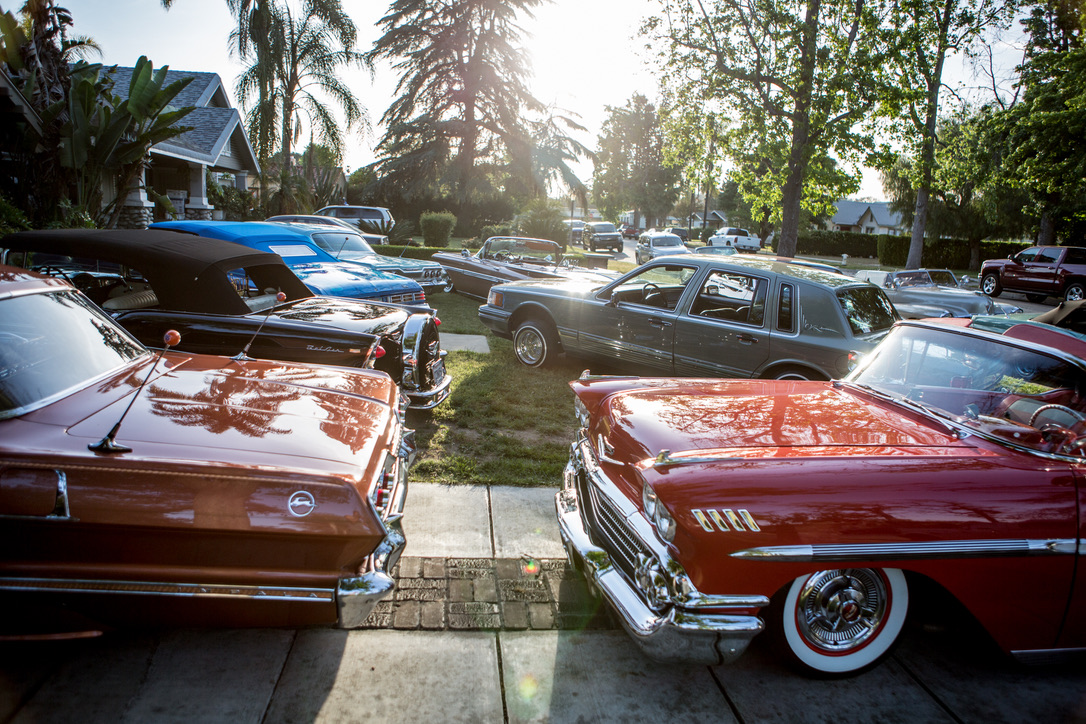
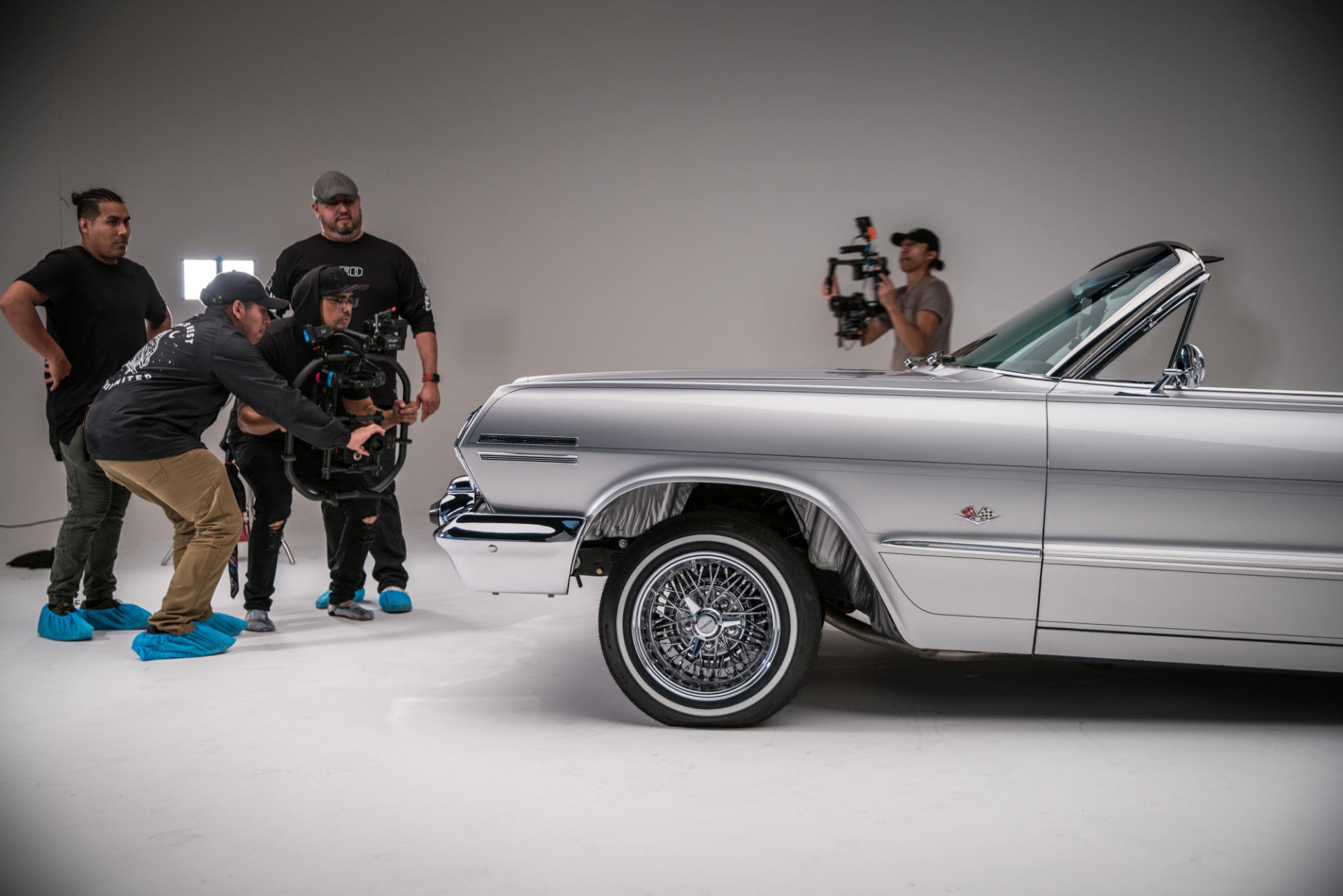
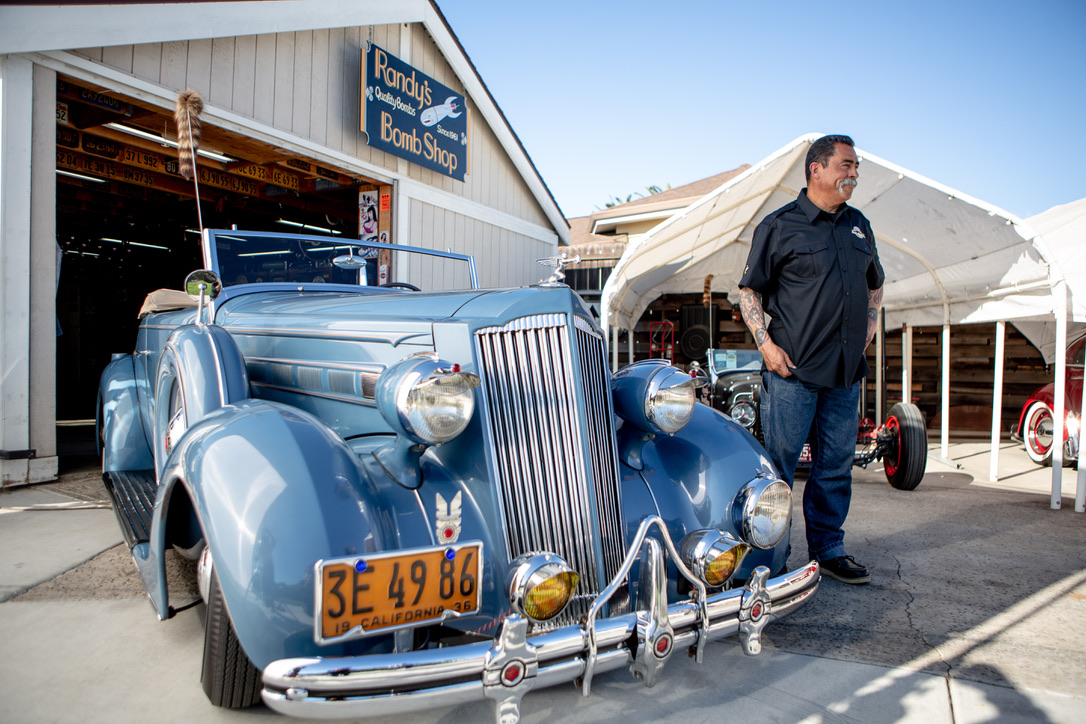
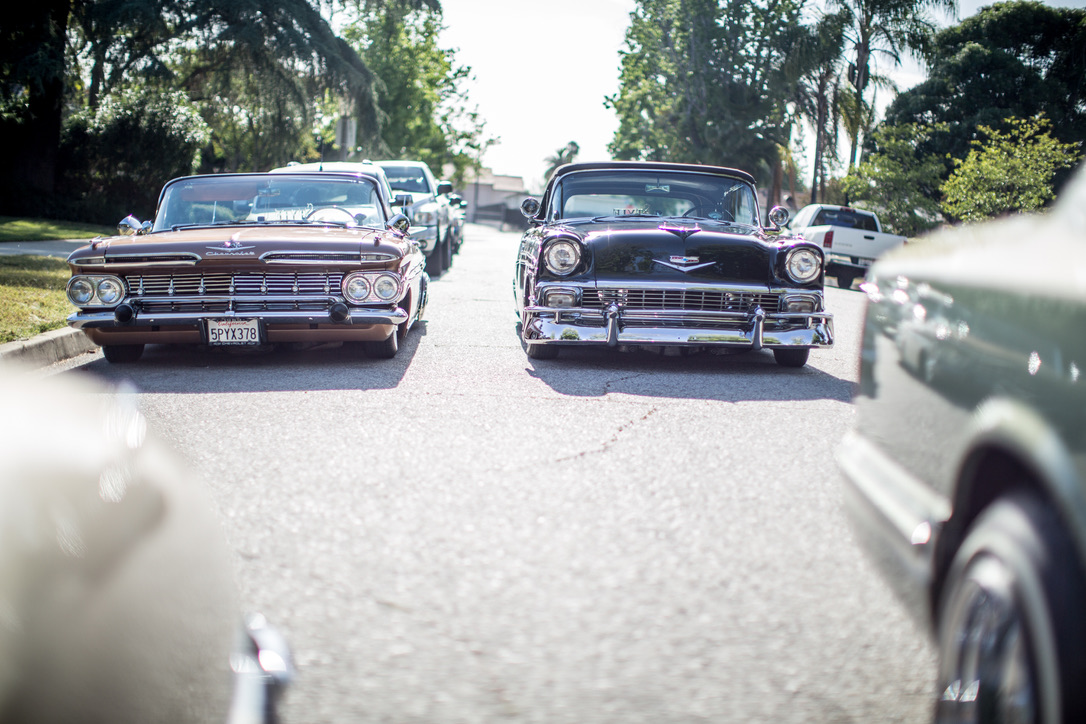
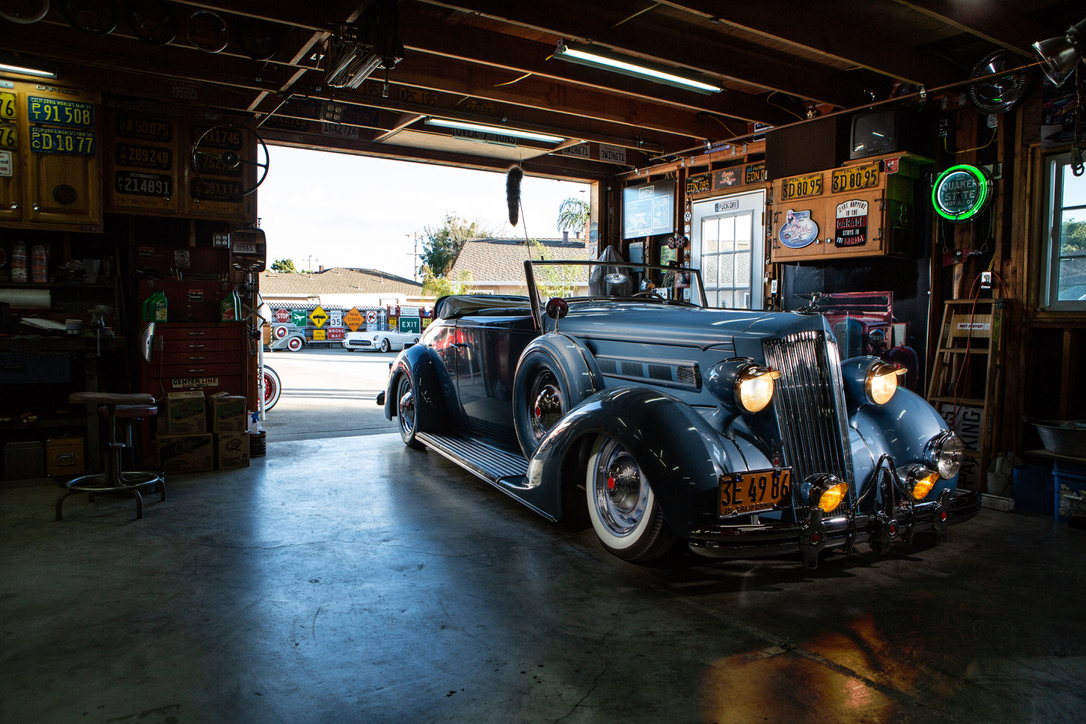
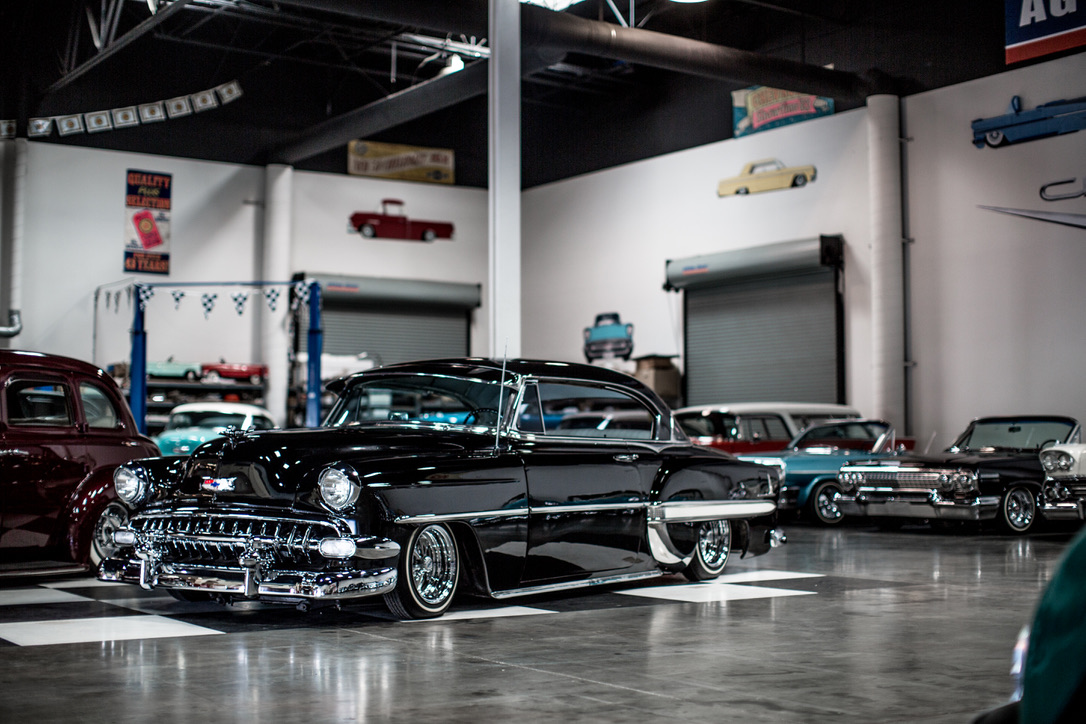
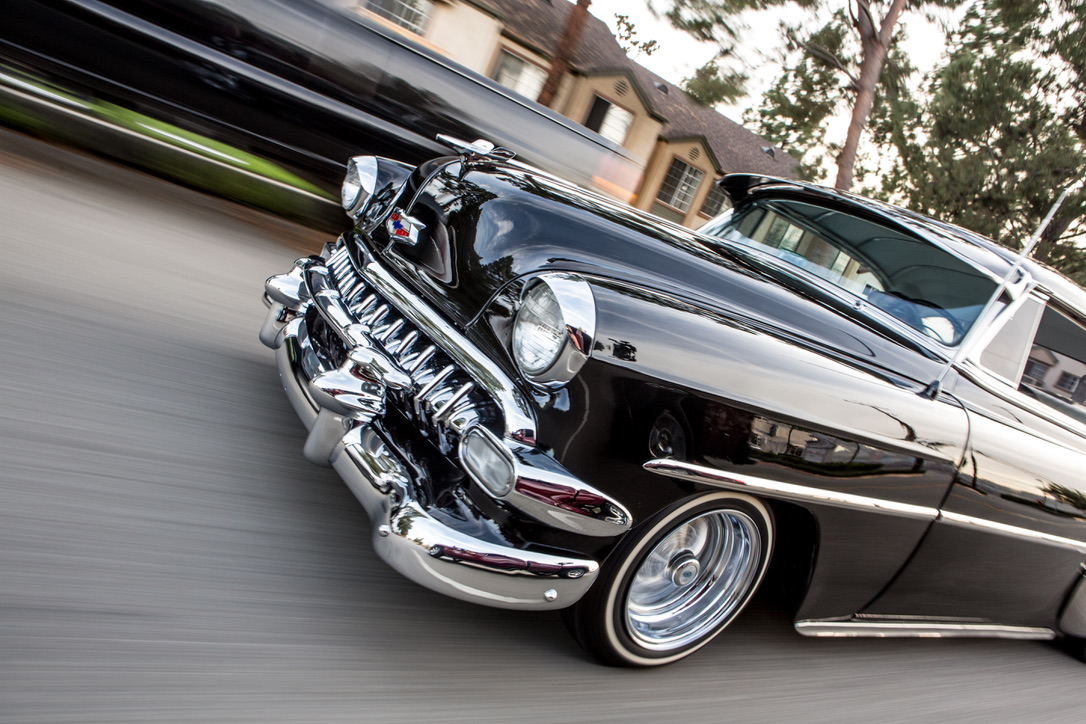
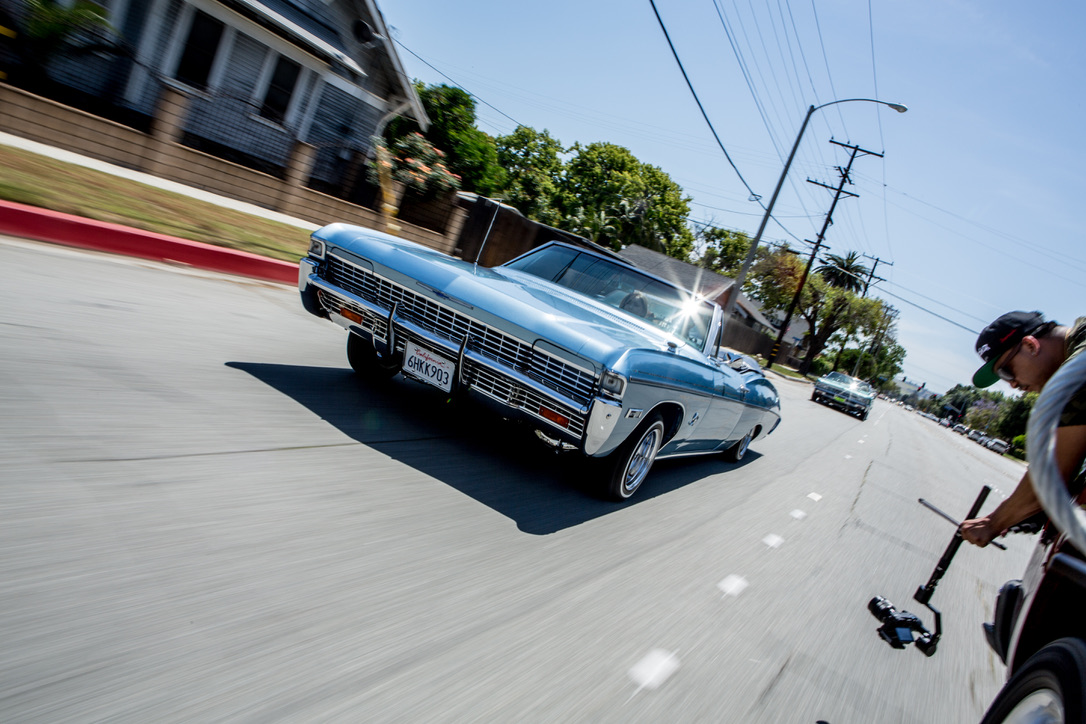
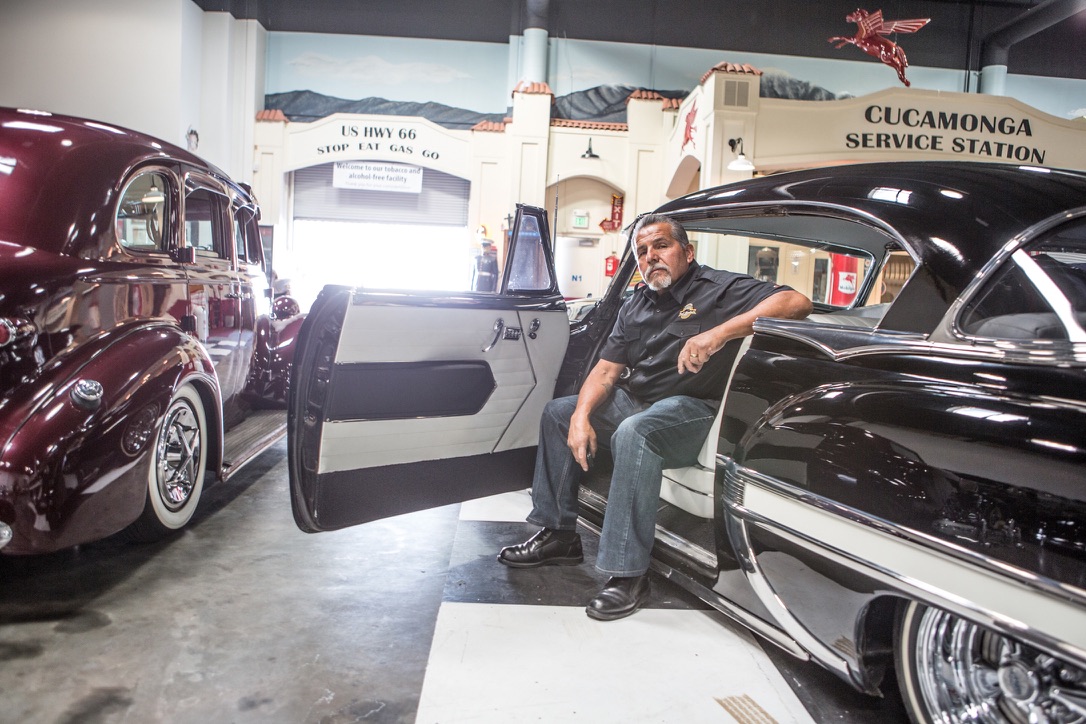
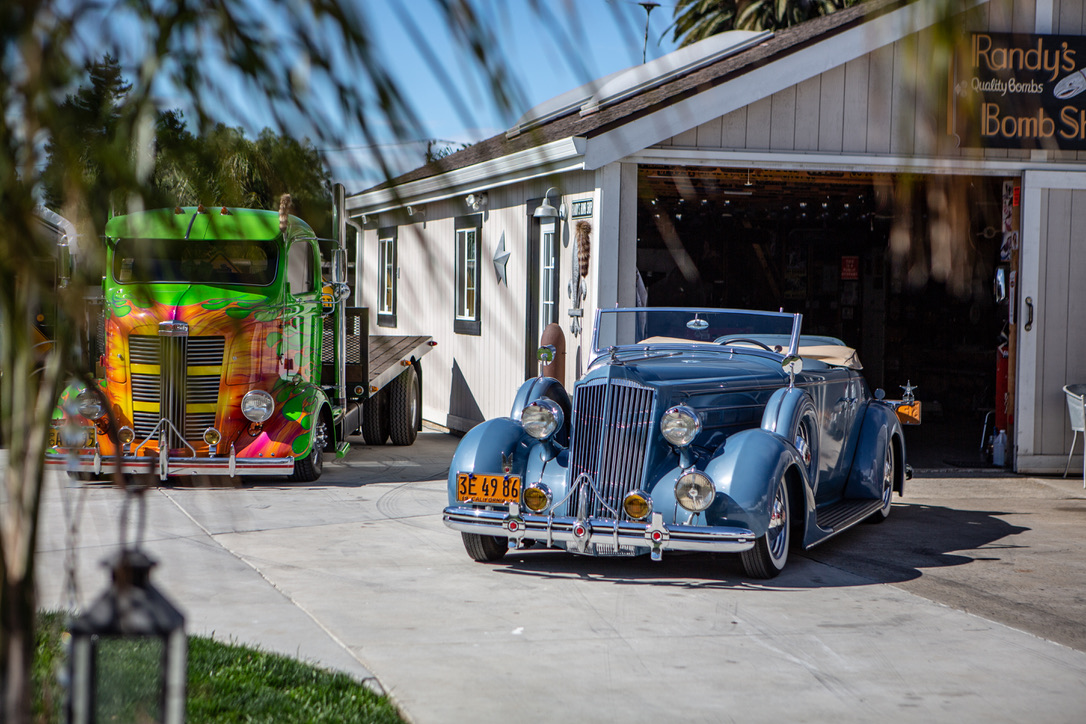
The cars were the entry point. Extraordinary custom builds that carried craftsmanship, history and pride, and pulled viewers into a frame they thought they understood. Then the story handed off to the person who built the car. Their family, their career, their work in their community. By the time the episode ended, the assumption had been dismantled without ever being argued with.
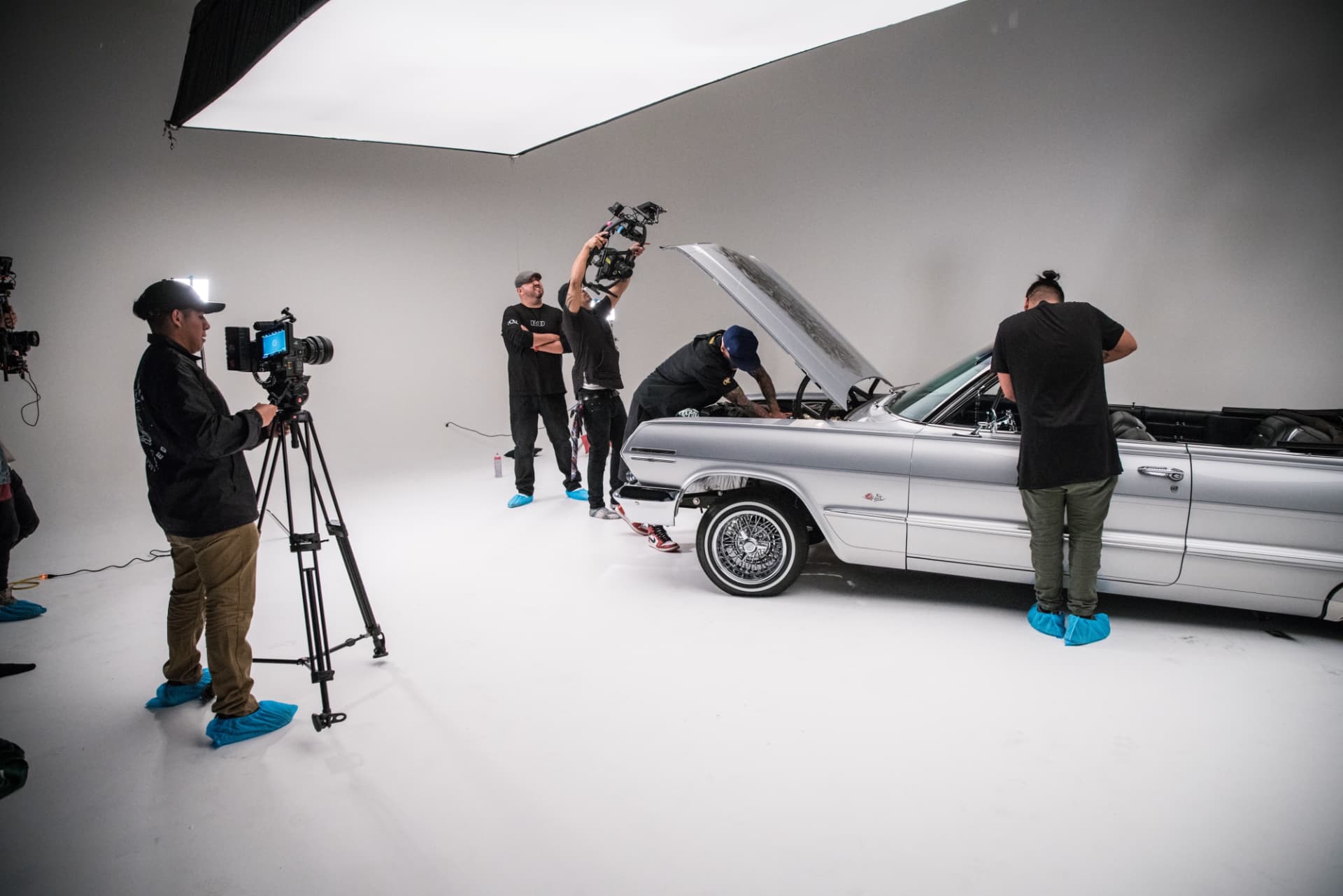
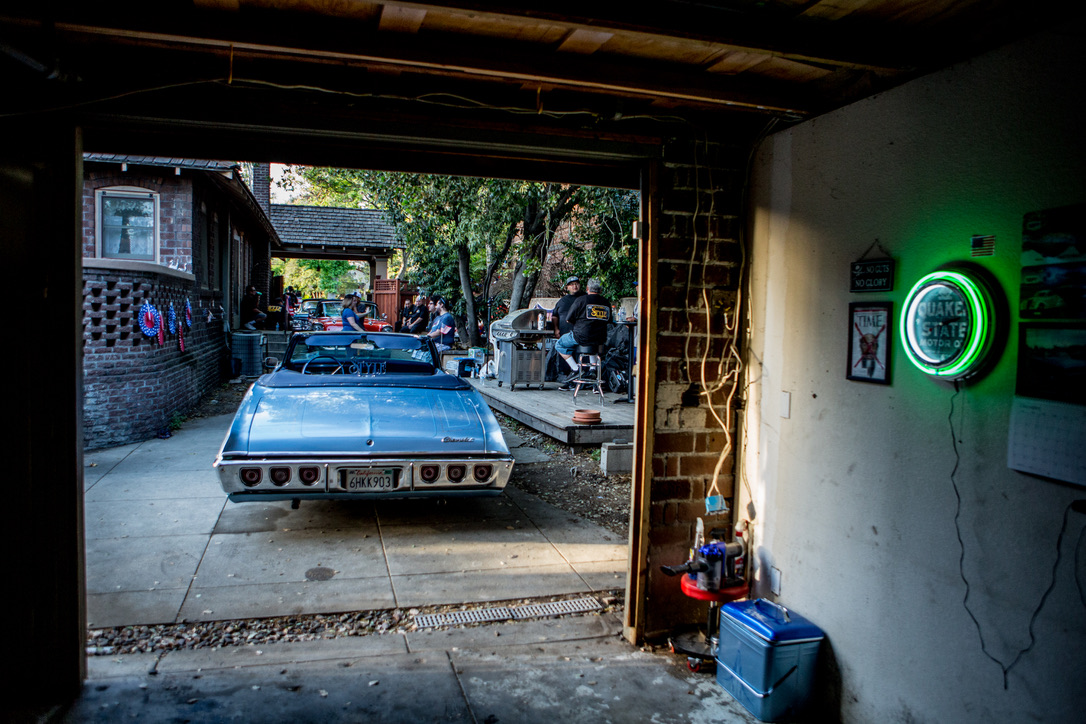
The brand challenge was harder than the creative one. This is a community that recognizes exploitation instantly. Quaker State and Shell had to be present without becoming the subject, so the deal was character first, every episode, no exceptions. What came out felt less like advertising and more like documentary.
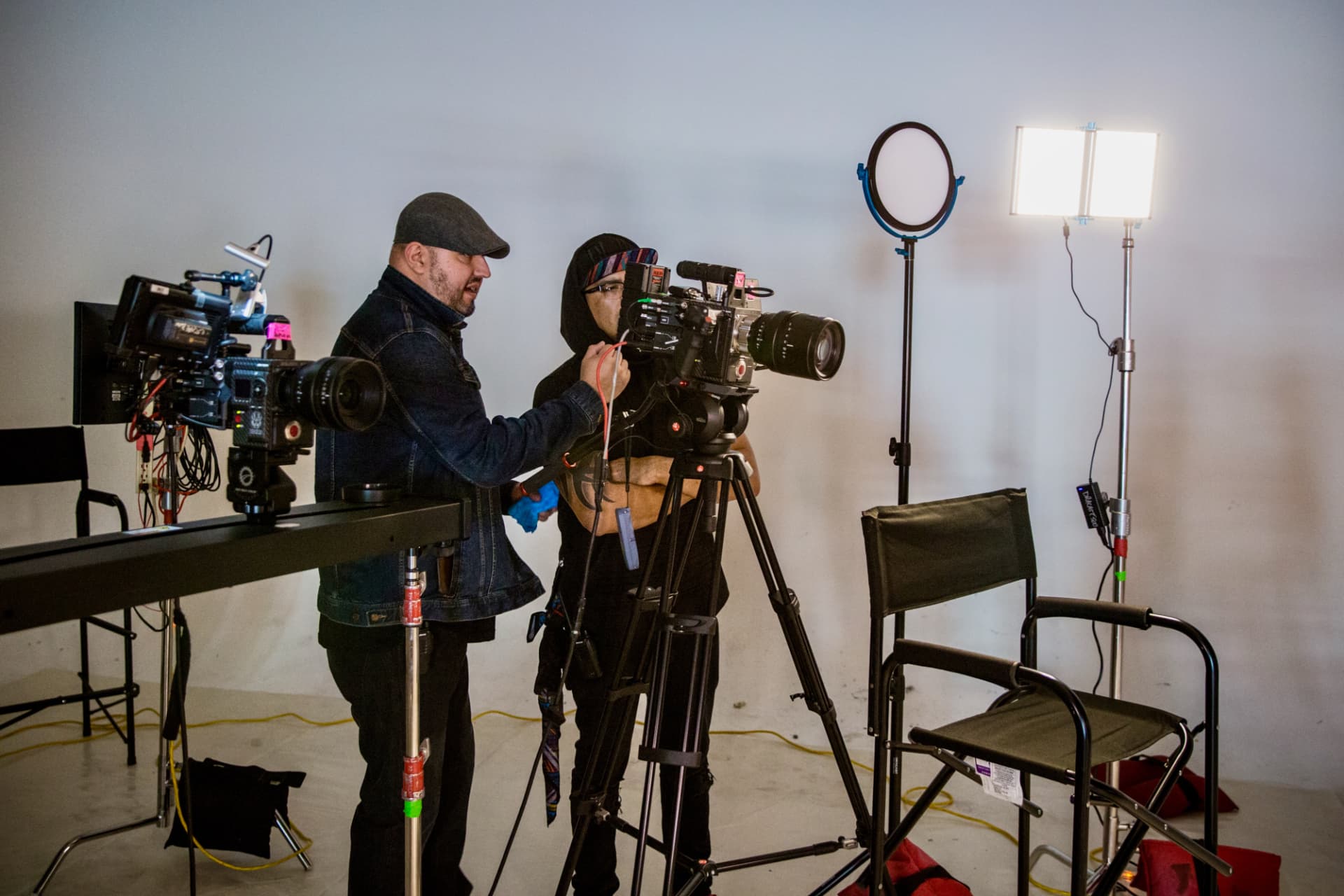
The audience answered. An initial order of four episodes expanded to twelve. Twelve became fifty-one across five seasons. A branded-content experiment became a franchise, generating 83.3 million program impressions and 53 million in total social reach.
Then it did something branded content almost never does. Lowrider Roll Models left the campaign that created it and went to streaming on HBO Max, as entertainment with its own audience.
Fifty-one human stories about craftsmanship, family, perseverance and identity, and a culture given the chance to define itself on its own terms.