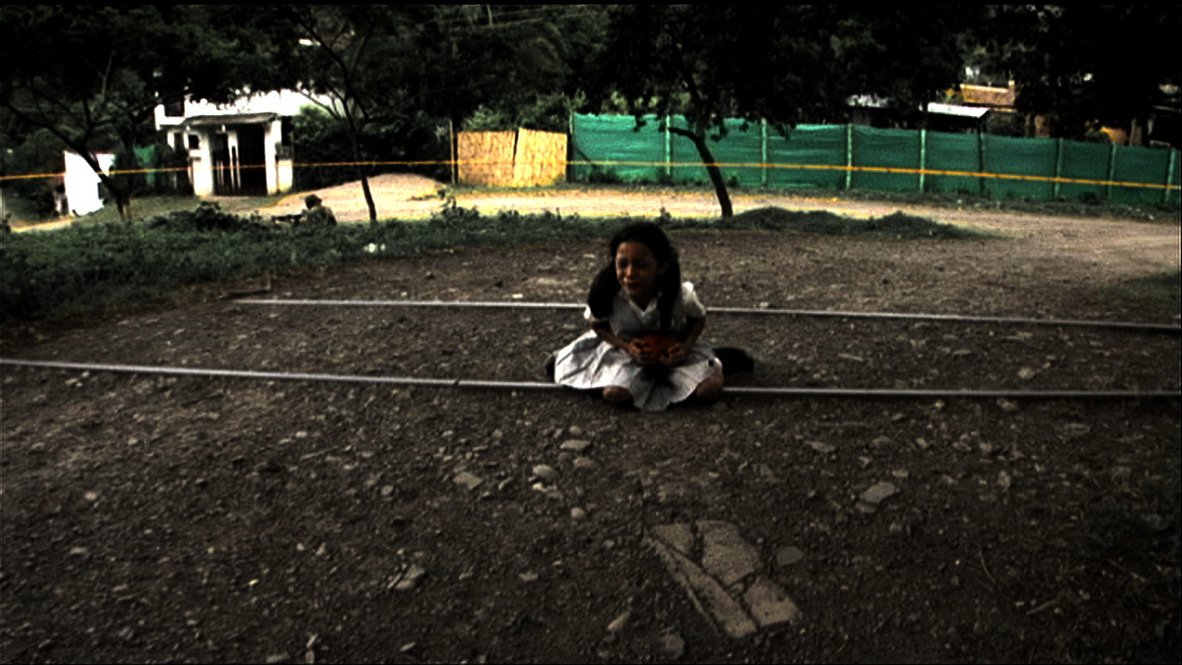
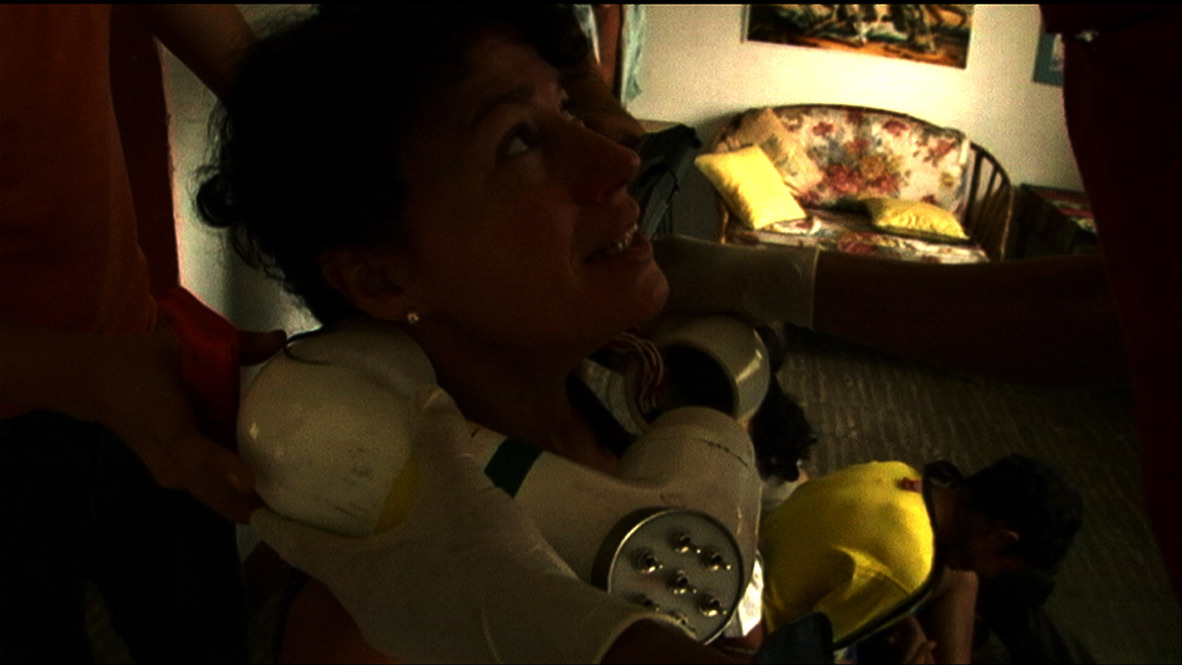
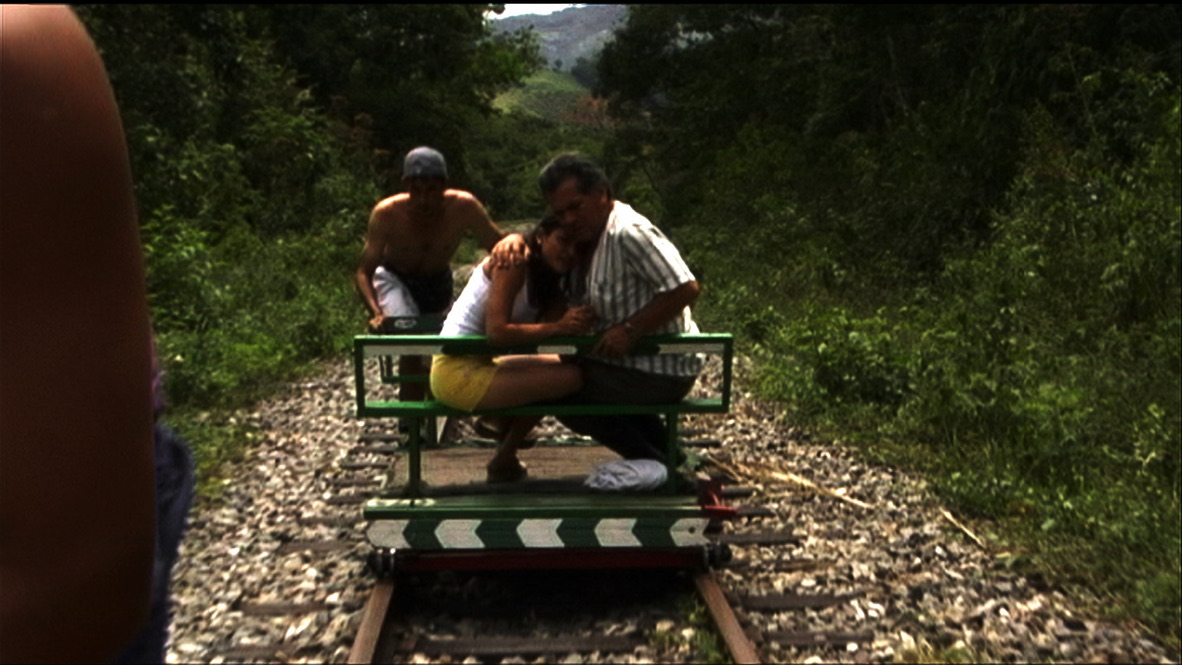
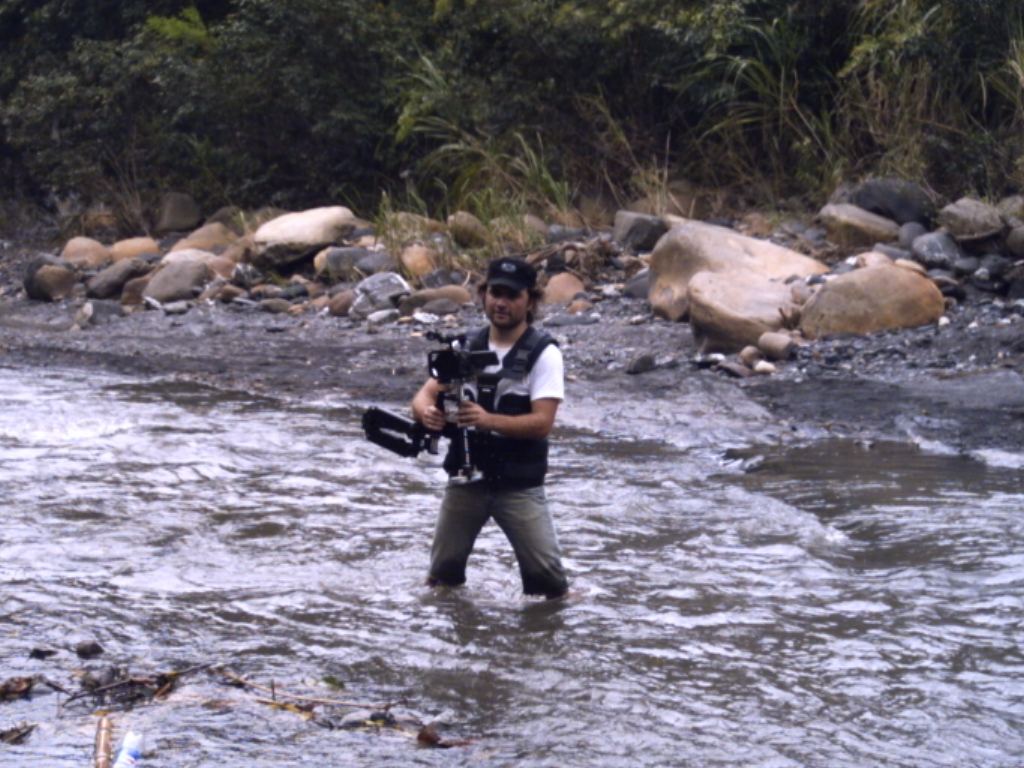
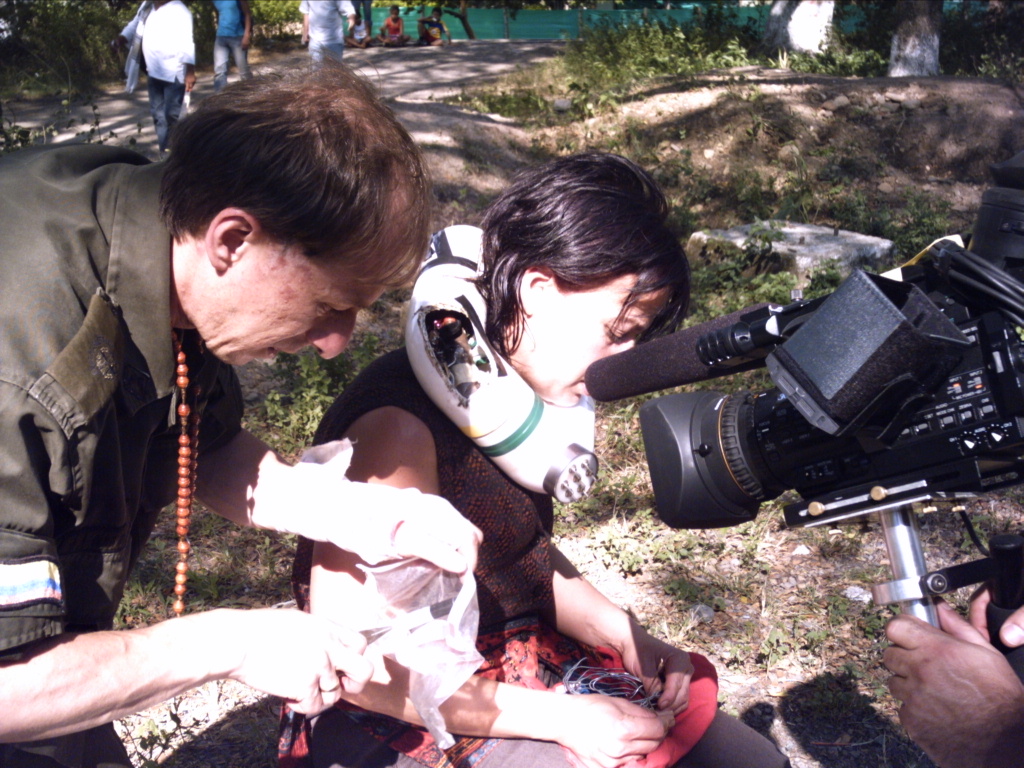
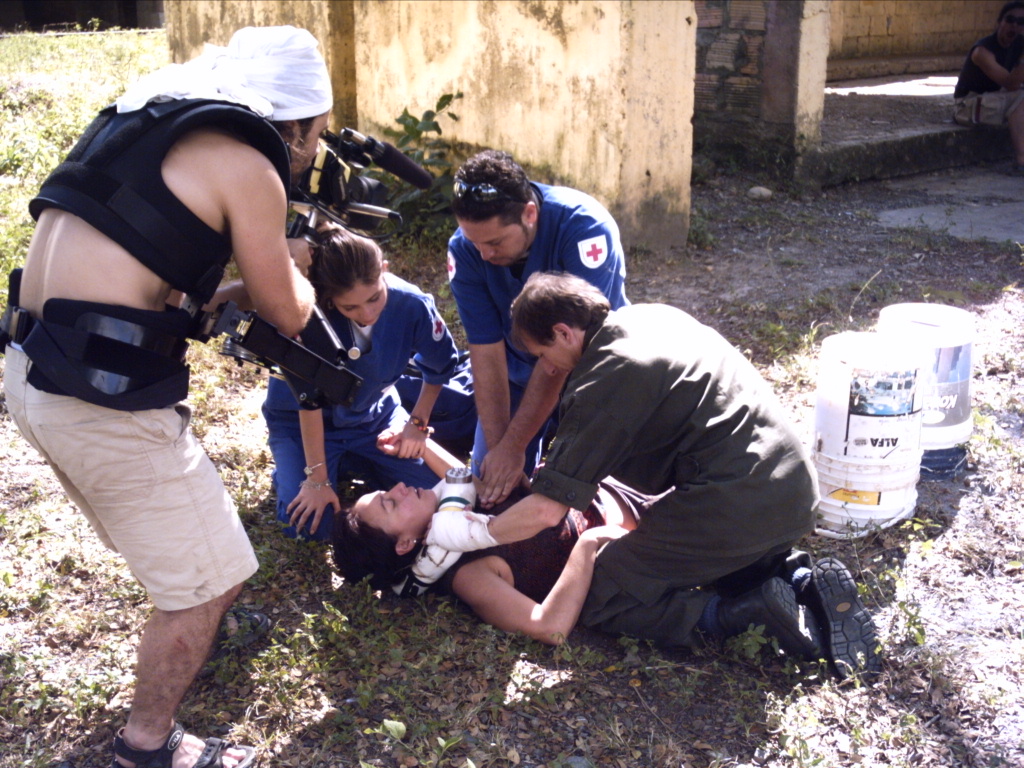
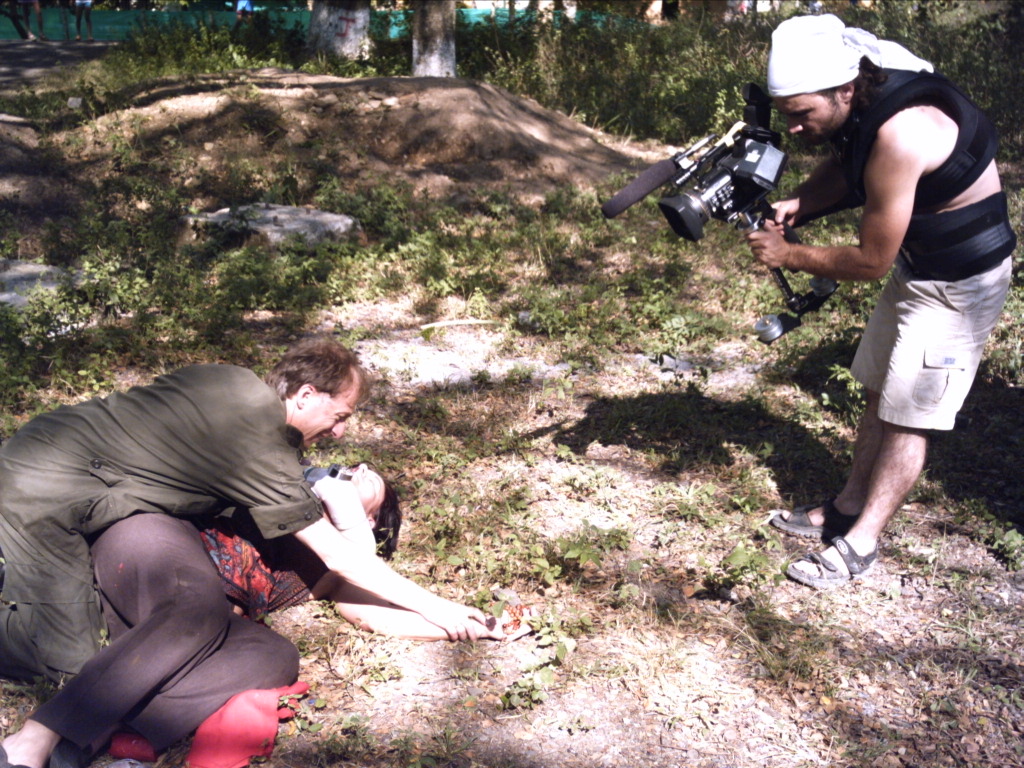
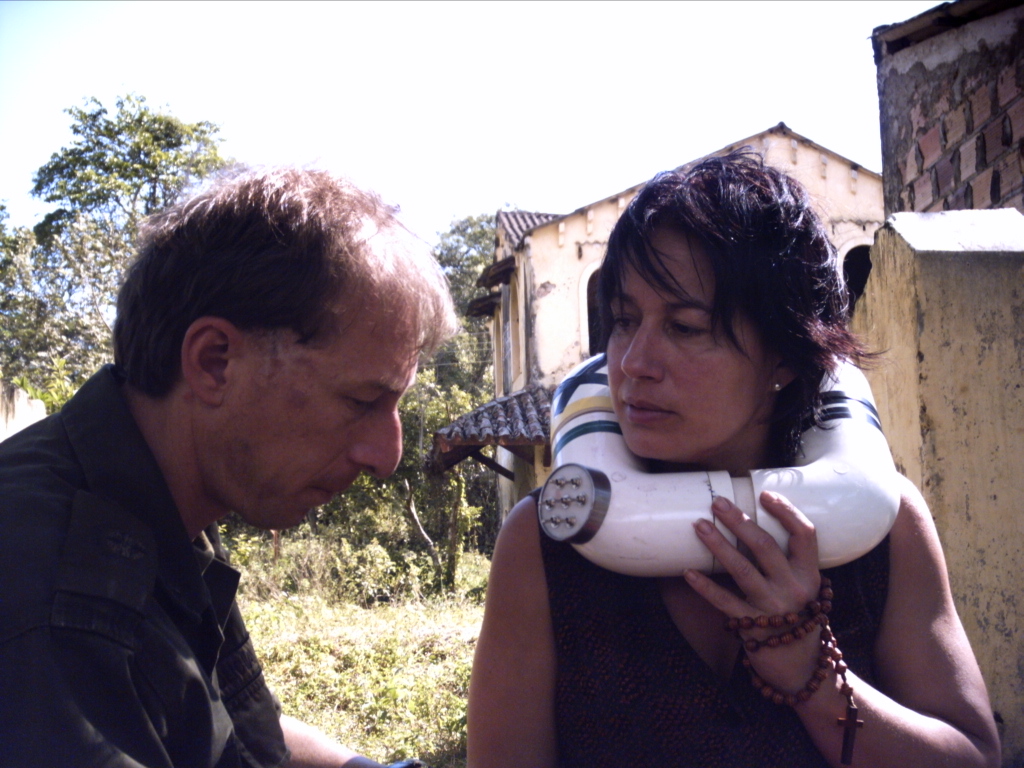
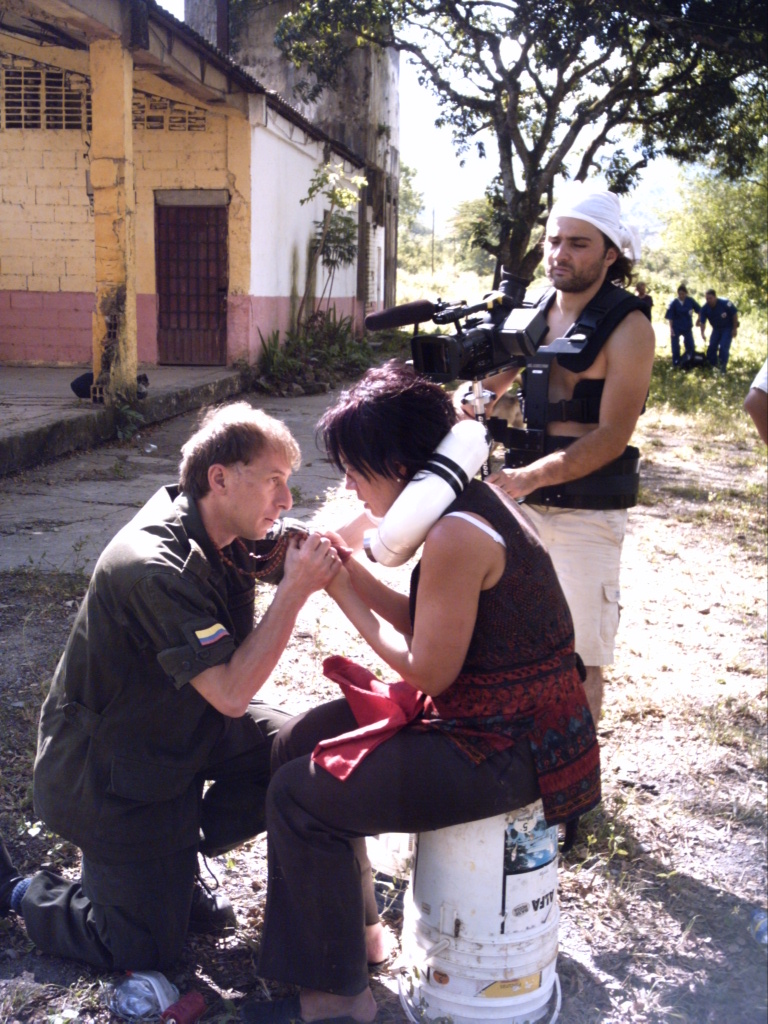
PVC-1 is a feature thriller shot in a single continuous 85-minute take, dramatizing the real 2000 abduction of a rural Colombian woman by guerrillas who strapped a PVC-pipe bomb around her neck. Director Spiros Stathoulopoulos committed to the take not as a stunt but as the only honest way to render the psychological weight of the ordeal. Everything after the shoot existed to protect that decision.
The videotape came back damaged. On a single-take film that is not a repairable shot, it is a threat to the entire premise. Velarde led the work of removing the digital artifacts frame by frame so the take would hold as one unbroken piece of time, exactly as the film claims it is. Sound design became the other center of gravity, doing the work that coverage and cutting would normally do, building tension across 85 minutes with nowhere to hide.
Cannes accepted only film prints at the time, so the picture had to go to celluloid. Keeping the take unbroken meant it could not be split across standard reels, which required an oversized reel built to hold the entire film and a special projector flown into the festival to run it. The single shot survived from capture to screen without a break.
Before the premiere, the film had no stars, no market precedent and no reason for anyone to take a meeting. Velarde built the case for it. He cut the trailer, guided the poster and campaign design, and walked the picture into the studios himself in the months ahead of Cannes, so that the film arrived at the festival with people already waiting on it rather than discovering it cold.
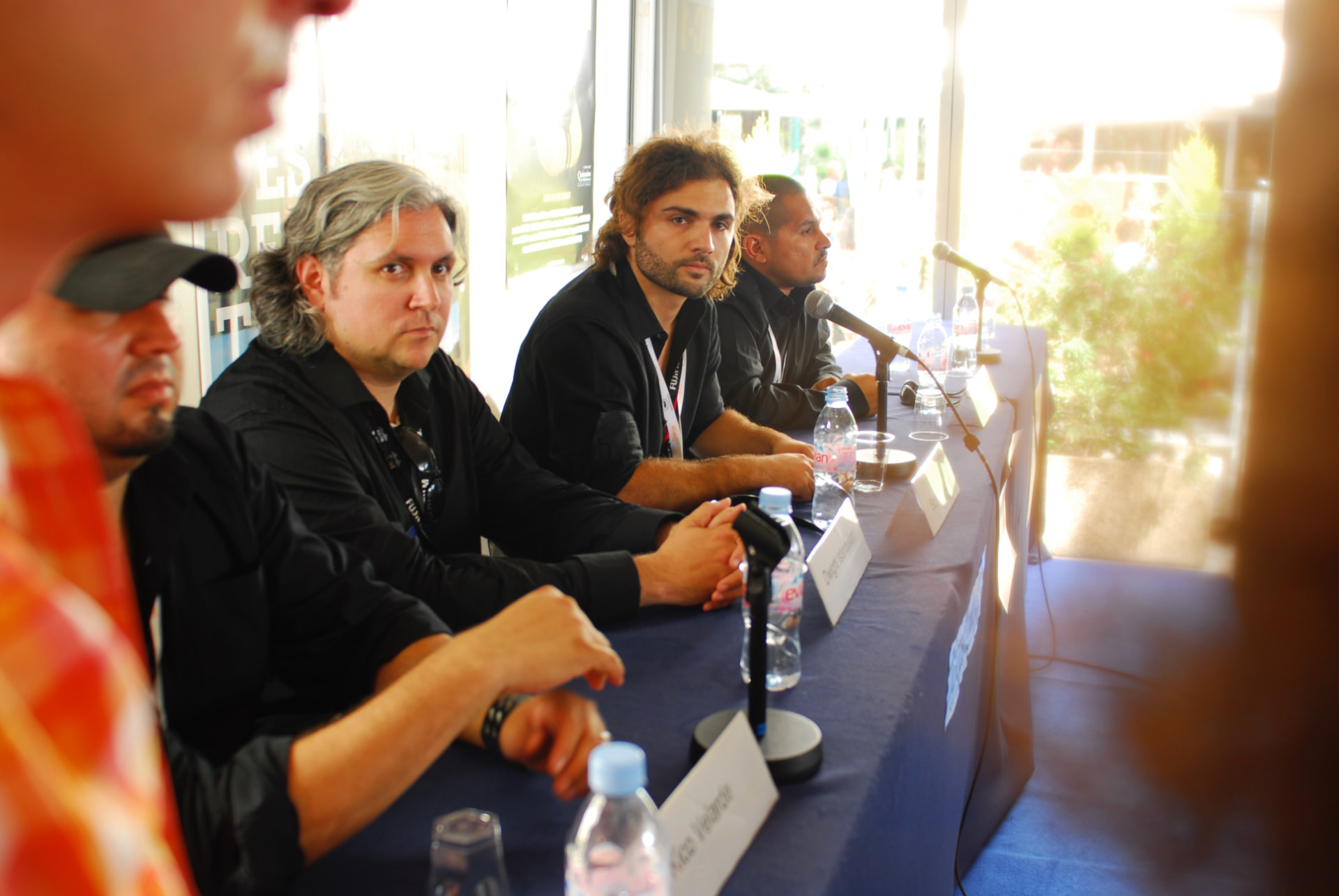
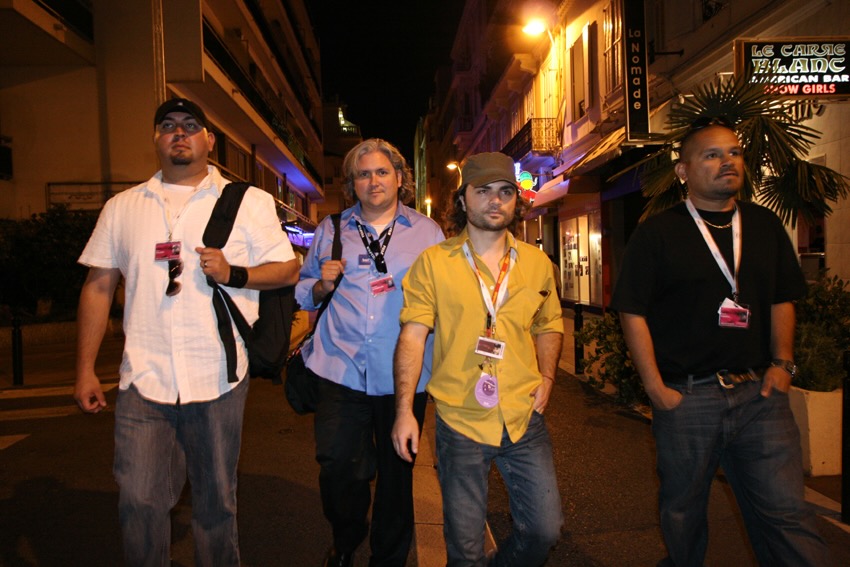
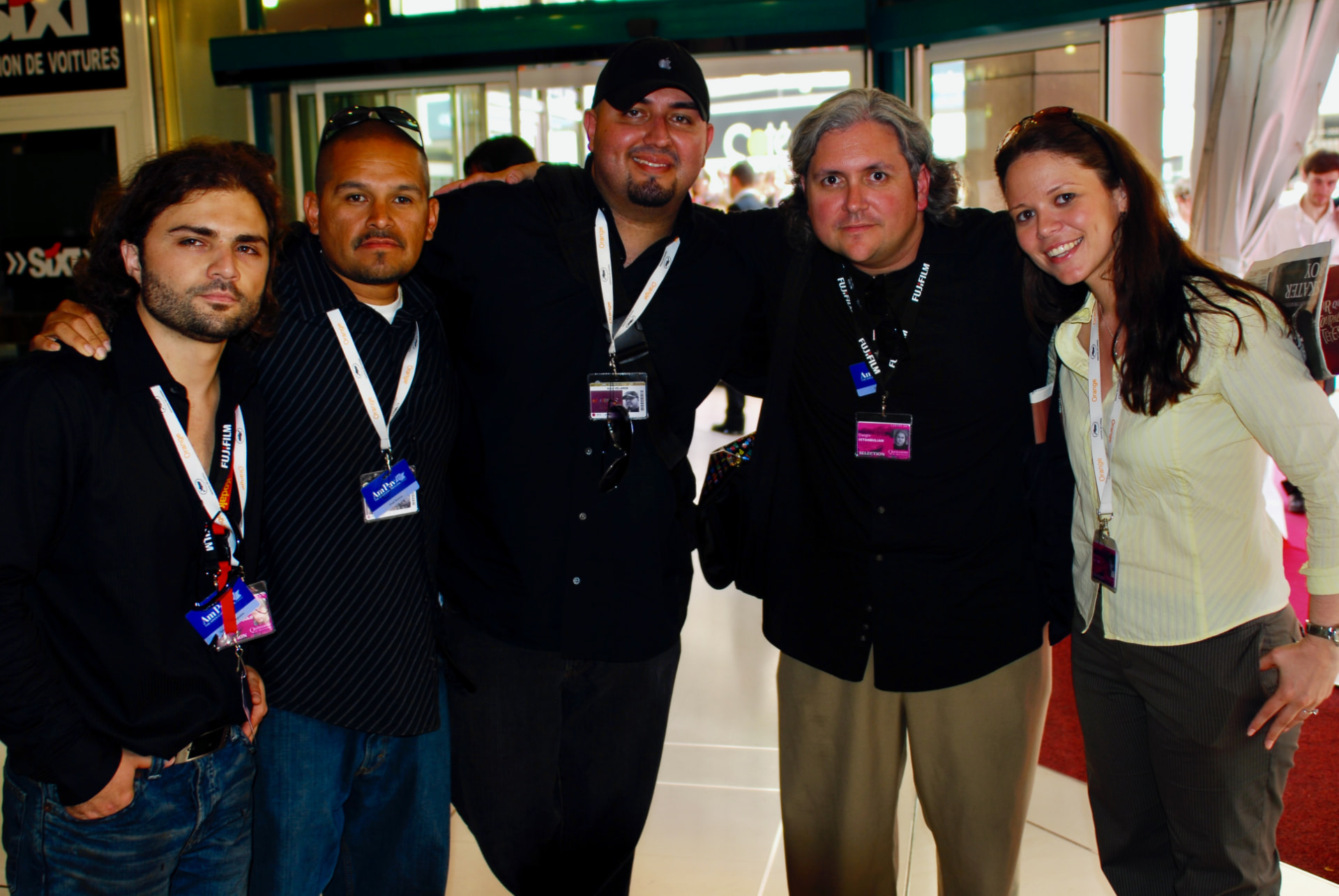
The Directors' Fortnight premiere ended in a five-minute standing ovation. PVC-1 won the Award of the City of Rome and earned a Caméra d'Or nomination for best first feature, then screened at Toronto and dozens of festivals worldwide. The film was acquired by IFC and still plays on the Sundance Channel.
Nineteen years later it is still in distribution, and the take is still unbroken.